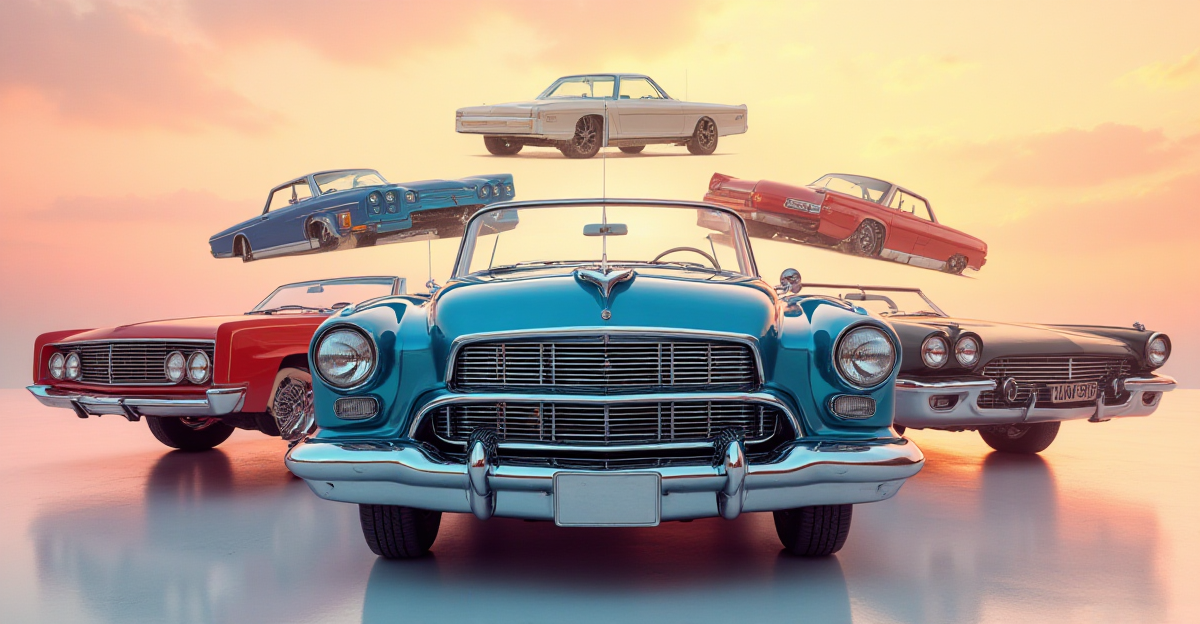
Brands have a magical way of weaving themselves into the fabric of our memories, especially when it comes to cars.
Think about it: a classic ride can evoke feelings of nostalgia, reminding you of road trips and summer adventures.
Yet, some American car brands that once held a special place in our hearts have faded into obscurity.
It’s time to shift gears and rekindle that passion!
In this blog post, well explore five forgotten U.S.
car brands that truly deserve a comeback.
Each has a unique story and style that set them apart, offering charm and character that modern vehicles sometimes lack.
So buckle up as we take a trip down memory lane and celebrate the legendary innovations and designs of these automotive icons!
Key Takeaways
- Revival Potential: You may find that many forgotten brands have substantial loyalty from their past customers, offering a solid foundation for a modern revival.
- Nostalgic Appeal: The rich history of these brands can tap into consumers emotions, making them more likely to support a comeback due to sentimental value.
- Innovation Opportunities: With advancements in technology, reintroducing these brands could lead to exciting new models that resonate with eco-conscious and tech-savvy consumers.
- Market Gaps: Observing current trends may reveal unaddressed niches in the automotive market where these revived brands could thrive and differentiate themselves.
- Cultural Impact: These brands often have a unique identity that could reinvigorate the automotive landscape, appealing to both nostalgic enthusiasts and new drivers alike.
Tucker
Imagine the allure of the Tucker, an innovative car that once promised a revolution in the automotive industry.
Launched in the late 1940s, the Tucker 48 featured cutting-edge designs like a rear-engine layout and safety innovations such as a padded dashboard.
These groundbreaking elements set it apart from contemporary vehicles.
Reviving Tucker could capture the imagination of consumers who value creativity and history in their choice of brands.
If they were to bring back the Tucker, you’d likely see electric variations equipped with modern tech, catering to eco-conscious buyers while preserving its classic aesthetic.
This blend of nostalgia and innovation could enchant car enthusiasts and potentially attract a new generation of drivers.
With the current interest in vintage style, a modern Tucker could seamlessly fit into today’s marketplace.
To further explore unique
DeSoto
DeSoto was a unique player in the automotive landscape from the 1920s to the 1960s, catering to those who wanted a blend of style and affordability.
With distinctive design elements and features like the Airflow which introduced streamlined aesthetics, its time to revitalize this classic brand.
Imagine DeSotos return with modern electric vehicles that maintain that classic charm while providing cutting-edge technology and sustainability.
By combining retro design with contemporary innovation, DeSoto could appeal to both nostalgic car enthusiasts and eco-conscious consumers alike.
The revival could include a focus on electric sedans and crossovers, tapping into the booming EV market.
For those looking to explore the world of brands, DeSoto could be the exciting comeback we never knew we needed.
Imagine driving a new DeSoto, turning heads on the road while contributing to a greener future.
Plymouth
Plymouth is a brand that car enthusiasts often reminisce about, known for its unique models like the Barracuda and Road Runner.
As a division of Chrysler, Plymouth was renowned for offering affordable, yet stylish automobiles that appealed to a diverse audience.
Imagine a contemporary version of the classic Plymouth GTX with modern engineering— powerful, reliable, and efficient.
Reviving Plymouth could tap into a rich history of making customizations that resonate with both nostalgic buyers and younger drivers eager for distinctiveness.
Picture a new Plymouth range that includes electric or hybrid options, blending vintage charm with modern sustainability.
By reintroducing iconic elements, such as the signature logo and bold paint colors, Plymouth could foster a dedicated fan community.
There’s a market for these nostalgic brands, and with the right strategy, Plymouth could once again rule the roads.
Eagle
Eagle is a brand that once captured the hearts of American car enthusiasts but has largely faded from memory.
Launched in the 1980s, it offered unique models like the Eagle Talon and the Eagle Vision, which blended sporty performance with practicality.
Reviving Eagle could offer a distinct lineup focusing on sporty and hybrid vehicles, bridging the gap between excitement and sustainability.
Imagine a modern Eagle Talon equipped with advanced electric technology, appealing to those who crave speed while caring for the environment.
Moreover, fostering a strong online presence and utilizing social media to connect with younger audiences would help re-establish Eagle as a contemporary choice among car brands.
By embracing a retro-inspired design paired with cutting-edge technology, a revived Eagle could attract both nostalgic buyers and new fans.
A comeback for Eagle could reinvigorate the automotive landscape with fresh options that resonate with today’s drivers.
Oldsmobile
Oldsmobile is a classic American car brand that deserves a thoughtful revival.
Founded in 1897, it became famous for its innovative engineering and iconic models like the Cutlass and the 442.
Its rich heritage represents a golden age of automotive design, capturing the spirit of American ingenuity.
By focusing on contemporary electric and hybrid vehicles, Oldsmobile could attract both loyal fans and new drivers looking for sustainable options.
Imagine a modern Cutlass reimagined as a sleek EV with cutting-edge technology and nostalgic aesthetics.
Collaborations with tech firms could enhance in-car experience, making Oldsmobile a frontrunner in smart vehicle designs.
Moreover, tapping into the growing demand for retro-inspired designs could connect profoundly with consumers who appreciate the charm of classic brands.
Reviving Oldsmobile could not only pay homage to its storied past but also pave the way for a bright, innovative future in the automotive world.
Conclusion
In revisiting the fascinating world of forgotten U.S.
car brands, youll uncover a rich tapestry of automotive history that can still inspire modern innovation.
From the classic allure of brands like Merkur to the rugged reputation of Studebaker, each has left a distinct mark on American car culture.
Although these brands may have fallen into the shadows, their unique designs and stories remind us of what makes driving truly exciting.
Its important to acknowledge that the resurgence of these brands could bring not just nostalgia but also fresh competition to today’s automotive market.
As we look to the future, the potential for electric models and cutting-edge technology from these iconic names can reignite passions among car enthusiasts and the general public alike.
If we dare to imagine a world where these brands make a comeback, we open the door to new possibilities and innovation.
Now is the time for you to engage with this idea.
Share your thoughts on which forgotten brand youd love to see return, and why it deserves a place on the modern automotive stage.
Whether through social media, discussions with fellow car lovers, or petitions for revival, your voice can help drive the momentum we need to perhaps see these beloved brands make their triumphant return.
Let’s advocate for the automotive stories that shaped our past and could very well direct our future!
Frequently Asked Questions (FAQ)
What are some notable features of these forgotten U.S. car brands?
Many forgotten U.S.
car brands offered unique features that appealed to consumers.
For example, brands like Plymouth were known for their affordability and sporty designs, while others like Studebaker emphasized durability and innovation.
These distinctive qualities created a loyal following, as they filled specific niches in the automotive market that mainstream brands didnt address effectively.
Why did these brands disappear from the market?
Several factors contributed to the disappearance of these brands, including financial challenges, changes in consumer preferences, and intense competition from foreign automakers.
Economic downturns also played a significant role, leading to mergers and acquisitions that resulted in brand consolidation.
Such pressures made it difficult for smaller brands to remain viable and maintain their identity in an evolving automotive landscape.
What impact could a comeback have on the automotive industry?
A comeback of forgotten U.S.
car brands could invigorate competition and drive innovation in the automotive industry.
Reviving these brands might attract enthusiasts and collectors, fostering a sense of nostalgia while bringing fresh designs and technologies.
Additionally, it could create more choices for consumers looking for something distinct compared to the mainstream options currently available in the market.
How can these brands differentiate themselves if relaunched?
To successfully differentiate themselves, resurrected brands could focus on unique design elements, eco-friendly technology, and a strong brand narrative that emphasizes their heritage.
They can also leverage today’s advanced connectivity features and modern safety standards to appeal to tech-savvy consumers, making their vehicles stand out amidst a sea of conventional models in the competitive automotive sector.
What role does nostalgia play in reviving old car brands?
Nostalgia is a powerful marketing tool, especially in the automotive sector.
Many consumers yearn for the classic designs and stories associated with forgotten brands.
By tapping into this sentiment, brands can create emotional connections with potential buyers, which can enhance consumer loyalty and engagement.
This emotional draw may encourage people to support the revival of their favorite car brands from the past.
📌 Sources & Further Reading
[Source 1:] MotorTrend – Overview of American car brands that have faded from recognition.
[Source 2:] Autoblog – Insight into U.S. car brands that once thrived and their histories.
[Source 3:] Hagerty – A detailed look at the history and legacy of forgotten car manufacturers in the U.S.