
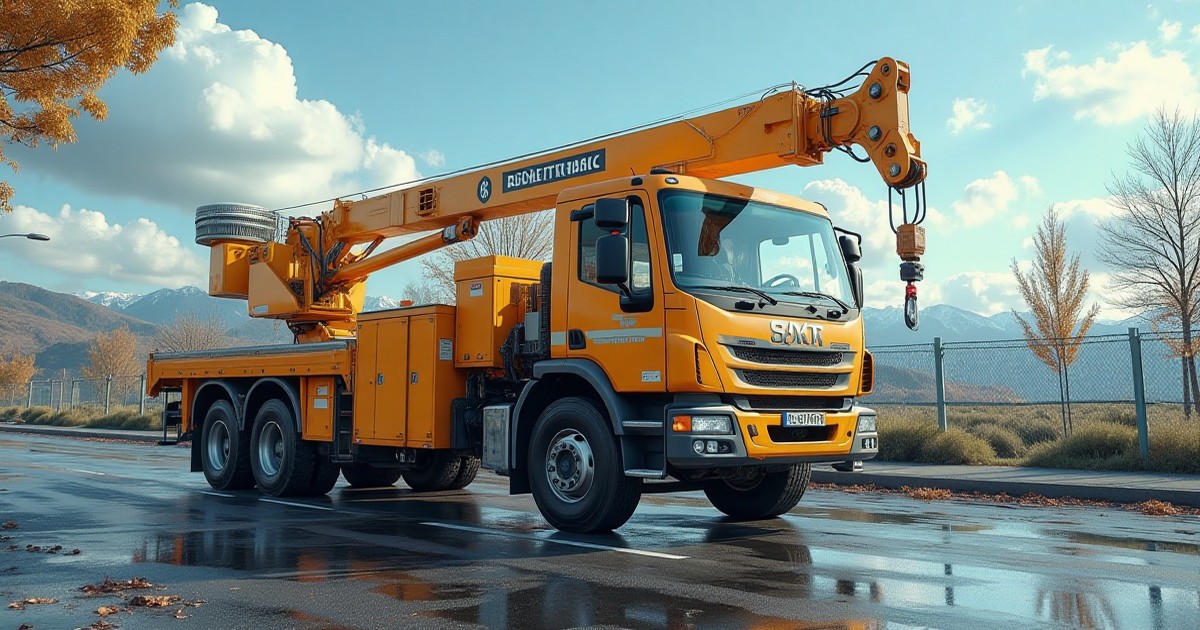
Bucket truck operations require more than just the ability to reach new heights; they demand a commitment to safety and skill.
Whether you’re a seasoned professional or a novice eager to learn, mastering the art of driving a bucket truck is essential for anyone working in construction, maintenance, or utility services.
In this blog post, we’ll dive into the crucial tips and best practices that can help you operate your bucket truck with confidence and care.
From understanding the equipment to ensuring the safety of yourself and those around you, weve got you covered.
So, buckle up and get ready to elevate your skills and knowledge about safe bucket truck operation today!
Key Takeaways
- Always perform a thorough pre-trip inspection before operating your bucket truck to ensure everything is in working order and safe for use.
- Understand and adhere to the weight limits of your bucket truck to prevent tipping and maintain safe operation at all times.
- Use proper personal protective equipment (PPE) like helmets and harnesses to protect yourself when working at heights in the bucket truck.
- Familiarize yourself with the controls and operation of your bucket truck; knowing how to maneuver safely is crucial for efficiency and security.
- Always maintain clear communication with ground personnel while operating your bucket truck to ensure everyone is on the same page and to avoid accidents.
1. Understanding the Importance of Bucket Truck Safety
Operating a bucket truck comes with its set of challenges.
Tasks like pruning trees, performing electrical work, or maintaining buildings often require elevated access, and without proper knowledge, accidents can happen.
Common pitfalls include improper stability, lack of clear communication among crew members, and failing to complete a thorough pre-operation check.
These issues highlight the need for safety protocols and awareness.
To tackle these challenges, its essential to adopt a proactive approach.
Start by undergoing comprehensive training that focuses not only on operating the bucket truck but also on identifying hazards in the surroundings.
Perform daily inspections of the equipment before use, ensuring that all components, from the hydraulic systems to the safety harnesses, are in perfect working condition.
When working in a team, establish a clear communication plan that includes signals or walkie-talkies to maintain constant contact during operations.
The outcomes of consistently implementing these safety practices can be significant.
For instance, by conducting regular training and pre-job briefings, your team can enhance overall operational efficiency while significantly reducing the risk of accidents.
Moreover, consider designating a safety officer for every job who can oversee operations and ensure compliance with all safety measures.
This mindful approach to bucket truck operation is essential for everyone’s safety and can ultimately lead to smoother, more efficient workdays.
2. Understanding the Bucket Truck: Challenges and Core Concepts
Operating a bucket truck comes with unique challenges, yet mastering its safe operation is essential for both efficiency and safety.
Common problems users face include improper setup, lack of training, and overlooking essential safety protocols.
Whether you are using a bucket truck for tree trimming, electrical maintenance, or building repairs, understanding its core components and risks is crucial.
Knowing how to position the truck correctly and how to handle the hydraulic components can make a significant difference in job safety and productivity.
| Feature | Standard Bucket Truck | Articulating Bucket Truck | Telescopic Bucket Truck |
|---|---|---|---|
| Height Reach | Up to 50 feet | Up to 60+ feet | Up to 75 feet |
| Mobility | Easy to maneuver | Great for uneven terrain | Best for straight vertical access |
| Load Capacity | 300-500 lbs | 300-600 lbs | Up to 800 lbs |
| Applications | General maintenance | Tree service, utility work | Construction, film production |
To effectively use a bucket truck, focusing on training is paramount.
Implement structured training sessions for all workers, emphasizing safety protocols and the importance of pre-operation checks.
Always wear proper safety gear, and ensure that the area is clear of obstacles before using the lift.
Involving your team in regular safety drills will not only enhance skills but also build confidence.
By applying these best practices, you can mitigate risks, leading to more successful and safe operations.
Remember, safety first ensures a smoother ride—literally and figuratively!
3. Bucket Truck Safety: Navigating Common Challenges
Operating a bucket truck can be an exhilarating experience, but it also comes with significant risks if not approached with caution.
One of the primary challenges operators face is maintaining stability.
External factors, such as windy conditions or uneven terrain, can affect the trucks balance.
Additionally, improper load distribution can lead to tipping hazards.
Operators must remain vigilant about these issues before and during use.
To overcome these challenges, thorough pre-inspection of the bucket truck is crucial.
Check for any mechanical faults and ensure that the outrigger stabilizers are fully deployed on uneven ground.
Using a spotter can also enhance safety; having a team member on the ground can provide guidance and alert the operator to any potential hazards that may not be visible from the bucket.
Implementing best practices is essential for safe operation.
For instance, always wear a properly fitted harness when working in the bucket.
Remember to communicate clearly with your team, and establish hand signals if noise levels are high.
Regular training sessions on safe operation techniques can ensure that all operators are well-versed in safety protocols.
By recognizing the challenges and applying proactive measures, you can master the art of operating a bucket truck safely, fostering a culture of safety that benefits everyone involved.
4. Understanding the Critical Aspects of Bucket Trucks
Operating a bucket truck can seem straightforward, but many new operators face a variety of challenges that can lead to unsafe practices.
One common issue is improperly assessing the work environment.
Factors such as overhead power lines, uneven terrain, and inclement weather can all pose serious risks.
Moreover, many operators lack thorough training on the vehicles safety features and operational limits, which can create hazardous situations.
To navigate these challenges effectively, its essential to focus on comprehensive training and preparation.
First, always conduct a pre-operation inspection.
This checklist should include an assessment of the hydraulic system, stabilizers, and the condition of the bucket itself.
Furthermore, operators should receive training not only on the general operation of the bucket truck but also on best practices for safe working heights.
For example, when working near live electrical lines, using proper insulating equipment and maintaining a safe distance is crucial.
Once operators have mastered the skills necessary to use a bucket truck safely, they can implement best practices daily.
Ensure that everyone on the team is aware of the safety protocols, and conduct regular refresher courses on emergency procedures.
Engaging in regular maintenance checks will also ensure that the bucket truck operates optimally, reducing the risk of mechanical failure.
By prioritizing safety and training, operators can enhance their productivity while significantly minimizing risks.
5. Understanding the Basics of Safe Bucket Truck Operation
Operating a bucket truck comes with its set of challenges that can compromise safety if not addressed.
Many operators may not recognize the importance of conducting a thorough pre-use inspection, leading to unexpected equipment failure during critical tasks.
Its essential to familiarize yourself with the core components of the truck, including the boom, hydraulic systems, and safety harnesses, to avoid potential hazards.
Miscommunication with ground crew members can also lead to accidents—an issue often overlooked by novice operators.
To mitigate these challenges, having a solid understanding of safety protocols is crucial.
Before operating a bucket truck, always conduct a detailed walkthrough of the equipment and perform a safety checklist, ensuring that all systems function correctly.
Using hand signals or two-way radios can keep lines of communication open when working aloft.
Consider investing in additional training sessions focused on operating techniques or even a refresher course for seasoned operators.
The outcome of prioritizing safety and communication is significant: it not only protects the operator and ground team but also enhances overall productivity.
Implementing best practices such as regular maintenance checks, continuous education, and adhering to OSHA regulations can make all the difference.
By mastering these essential tips, you can ensure that every operation with a bucket truck is as safe and efficient as possible.
6. Understanding the Importance of Safe Bucket Truck Operation
Operating a bucket truck comes with its own set of challenges.
Whether youre a seasoned operator or a novice in the field, safety should always be your top priority.
One of the most common problems faced in bucket truck operation is the risk of falls or accidents due to improper handling and inadequate safety measures.
Additionally, understanding the vehicles weight limit and stabilizer usage is crucial to prevent tipping over, which can lead to severe injuries or costly repairs.
To tackle these challenges, implementing thorough pre-trip inspections is essential.
Before using a bucket truck, check for any mechanical issues, such as hydraulic leaks or tire problems, that could impact performance.
Furthermore, familiarizing yourself with the trucks operating manual and training on proper lifting techniques can enhance safety.
To ensure a successful operation, adhere to best practices like wearing personal protective equipment (PPE) and securing tools and materials properly.
For instance, using a safety harness attached to the bucket and ensuring that the ground is stable can mathematically reduce fall risks.
In conclusion, mastering the safe operation of a bucket truck does not only enhance personal safety but also protects your crew and the public.
By implementing these practical steps regularly, you can contribute to a safer work environment while effectively completing your tasks.
7. Understanding the Importance of Bucket Truck Safety
Operating a bucket truck can be a rewarding yet risky job.
Many operators face common challenges, such as maintaining stability while working at heights and navigating power lines.
Without proper precautions, accidents can lead to serious injuries or worse.
Its crucial to grasp core safety concepts before heading to the job site.
To tackle these challenges, operators must understand the fundamentals of safe operation.
For instance, conducting a thorough pre-operation inspection is essential.
Check for any mechanical issues, ensure the bucket is clear of debris, and verify that all safety features are functional.
Additionally, familiarizing yourself with the right personal protective equipment (PPE), such as helmets and harnesses, significantly reduces the risk of accidents.
Once equipped with this knowledge, the focus should shift to implementing best practices on-site.
For example, always maintain a safe distance from power lines—at least 10 feet is recommended.
Practice proper communication with your ground crew using hand signals or radios to avoid misunderstandings when working at height.
Finally, continuously review and refine your skills.
Regular training sessions and refreshers help embed these practices, ensuring every operator remains vigilant.
By mastering these steps, you not only enhance your own safety but also contribute to a safer work environment for everyone involved.
Enjoy the job, but always remember: safety first!
8. Navigating Common Challenges in Bucket Truck Operations
Operating a bucket truck can be a rewarding experience, but it comes with its unique challenges and safety concerns.
One of the most significant issues is ensuring that the equipment is in top-condition before use.
This includes checking the hydraulics, boom, and electrical systems for any signs of wear or malfunction.
Another challenge is working at height; the risk of falls or accidents can be heightened without proper precautions.
To tackle these challenges effectively, adhere to these essential safety practices.
First, always perform a pre-operation inspection to identify potential issues—inspect all safety features, including harnesses or lanyards for workers who will be lifted.
Furthermore, it’s crucial to communicate with your team using clear hand signals or radios, especially in noisy environments.
This ensures everyone is aware of movements and tasks being performed.
After identifying hazards and implementing safety measures, the outcomes can be significant.
For instance, a well-maintained bucket truck can improve efficiency by reducing downtime due to mechanical failures.
Real-world applications show that companies that prioritize safety training and equipment checks often see a decrease in accident rates and increased worker morale.
Ultimately, mastering the operation of a bucket truck requires a commitment to safety, rigorous inspection routines, and effective communication among team members.
Implementing these best practices will foster a safer and more productive work environment.
9. Navigating the Challenges of Bucket Truck Operation
Operating a bucket truck can be a rewarding yet daunting task, especially for those new to the equipment.
A common challenge is ensuring safety while working at heights, which often requires proper training and vigilance.
Many operators may overlook the importance of routine inspections and maintenance, which can lead to unexpected breakdowns or accidents.
Another issue is understanding the specific load limits to prevent tipping or structural failures that could occur during operation.
To tackle these challenges, it’s crucial to prioritize comprehensive training for all operators.
Investing time in learning best practices for equipment use, maintenance checks, and load management can significantly reduce risks.
For instance, familiarize yourself with the manufacturer’s guidelines, emphasizing the maximum weight limit for the bucket and the vehicle itself.
Before each use, conduct thorough pre-operation checks, inspecting hydraulic systems, stabilizers, and the overall integrity of the bucket truck.
As you increase your comfort level with safe operations, you can enjoy the benefits of seamless work—such as faster project completion and the ability to access hard-to-reach areas.
Developing a consistent safety routine yields outcomes like reduced downtime and enhanced productivity.
Ultimately, mastering the art of operating a bucket truck not only keeps you safe but can also lead to a more efficient workflow, whether you’re trimming trees or working on electrical lines.
So remember: Prepare, inspect, and elevate your skills safely!
If you’re looking for more information on safe driving practices, check out this article about navigating a car safely.
10. Understanding the Risks of Operating a Bucket Truck
Operating a bucket truck comes with specific challenges that can pose serious risks if not properly managed.
For instance, many accidents result from inadequate training, poor weather conditions, or mechanical failures.
Imagine a job where you need to trim tree branches or repair electrical wiring at great heights.
Without a solid understanding of safety protocols, you could face hazards like falls, electrocutions, or equipment failure.
Mastering the Essentials of Bucket Truck Safety
To ensure successful operation, its vital to focus on comprehensive training and regular maintenance checks.
Operators should undergo formal training that covers everything from equipment inspections to emergency procedures.
A pre-use inspection checklist is essential to identify potential issues like hydraulic leaks or faulty controls before beginning work.
Additionally, staying informed about weather conditions can prevent dangerous situations; for example, avoid operating in high winds or thunderstorms.
Embracing Best Practices for Safe Operations
Implementing best practices solidifies safety.
Always wear personal protective equipment (PPE) like hard hats and harnesses.
Establish a safety zone around your workspace to keep ground personnel clear of hazards.
Consider using a spotter when maneuvering the bucket truck in tight spaces.
By adhering to these guidelines, operators can significantly decrease the likelihood of accidents and ensure a productive day on the job.
Ultimately, understanding the challenges and applying effective solutions will lead to successful, safe operations with your bucket truck.
Conclusion
In conclusion, mastering the operation of a bucket truck is essential for ensuring both safety and efficiency in the workplace.
By following the tips outlined in this blog post, including understanding the importance of proper training, conducting thorough pre-operation inspections, maintaining clear communication with ground personnel, and adhering to safety protocols, you can significantly reduce the risk of accidents and enhance your productivity.
Remember, whether you are a seasoned operator or new to handling a bucket truck, prioritizing safety is paramount.
Dont hesitate to refresh your knowledge regularly and stay updated on best practices and regulations that govern bucket truck operation.
Now, take the first step toward safer operations today—share this knowledge with your team and implement these tips during your next job.
Together, let’s create a safer working environment for everyone involved!
FAQ
What is a bucket truck and what is it used for?
A bucket truck is a specialized vehicle equipped with a hydraulic lift system that raises a bucket or platform to elevate personnel for tasks such as tree trimming, electrical maintenance, and construction work.
Its essential for safely reaching high places.
What safety gear should be used when operating a bucket truck?
When operating a bucket truck, its crucial to wear appropriate safety gear, including a hard hat, safety harness, and non-slip footwear.
Additionally, high-visibility clothing is recommended to enhance visibility on job sites.
What are the key operational guidelines for using a bucket truck safely?
To operate a bucket truck safely, always follow the manufacturers guidelines, ensure the area is clear of overhead hazards, maintain stability during use, and never exceed the trucks weight limit.
Regular inspections of equipment are also essential.
How can I prevent accidents while working from a bucket truck?
To prevent accidents while using a bucket truck, always secure yourself with a harness, avoid overreaching, and communicate effectively with ground crews.
Familiarize yourself with emergency procedures and regularly practice them.
What should I do before operating a bucket truck for the first time?
Before operating a bucket truck for the first time, undergo proper training, review the operational manual, and conduct a thorough pre-operation inspection.
Understanding safety protocols is essential to ensure a safe working environment.
📌 Sources & Further Reading
[Source 3:] iStock – Visual guide on safety precautions for bucket truck operations.