
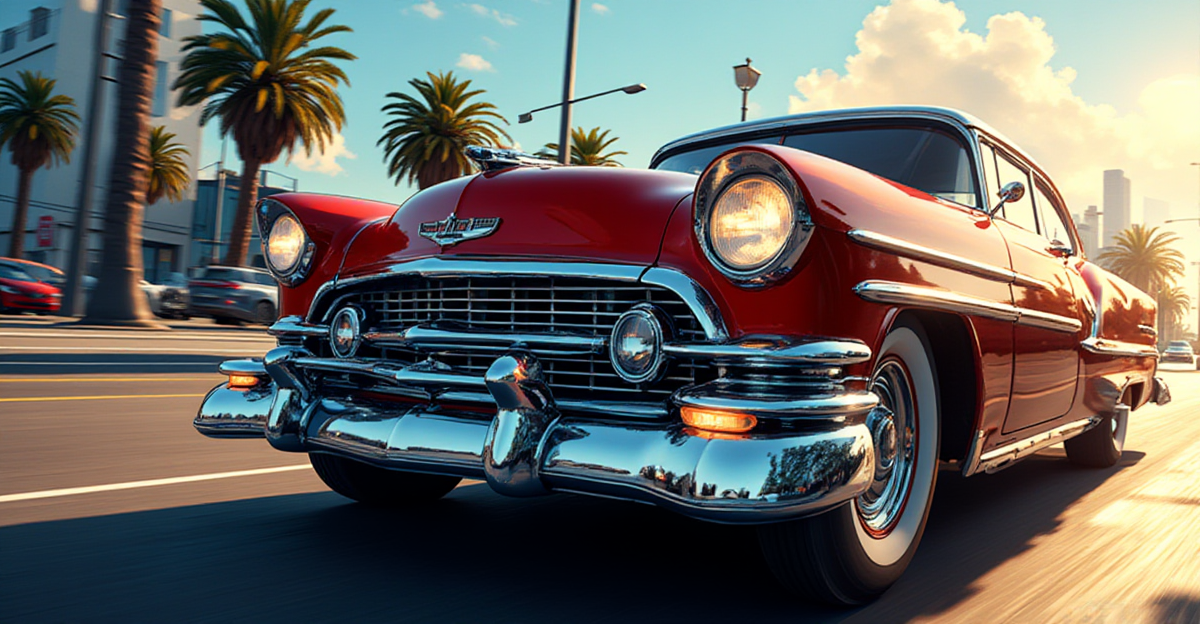
Chrome has long been a symbol of elegance and power in the automotive world, capturing the essence of American car design during its golden age.
The shiny allure of chrome accents transformed vehicles into bold expressions of style and engineering, making each car a statement of both freedom and innovation.
As designers sought to create cars that turned heads and ignited passion, chrome elements became the quintessential touch that elevated the aesthetics of countless models.
This blog post will explore the intricate relationship between chrome and the confidence it instilled in both drivers and consumers.
From classic Muscle cars to elegant sedans, the presence of chrome signified a commitment to craftsmanship and an unwavering belief in the American automotive dream.
Join in as we delve into how chrome defined an era, shaping not just cars but also the culture surrounding them.
Key Insights
- Timeless Appeal: The use of chrome in car design not only enhances aesthetic appeal but also symbolizes a golden era of American automotive craftsmanship.
- Cultural Significance: Chrome represents a lasting legacy and is deeply ingrained in the identity of American car culture, influencing generations of designers and enthusiasts.
- Innovation in Design: The integration of chrome details demonstrates the craftsmanship of the time, showcasing innovative techniques that pushed the boundaries of automobile styling.
- Durability and Maintenance: Chrome’s resilience against wear and tear highlights its practical qualities, making it a favored choice for both vintage and modern vehicles.
- Symbol of Luxury: Chrome accents often denote a vehicles high-end status, elevating the perception of luxury and sophistication within the automotive market.
1. The Historical Significance of Chrome in American Automotive Design
Chrome has played a pivotal role in the evolution of American automotive design, representing not just functionality but also a distinct blooming aesthetic.
From the 1930s to the 1960s, vehicles adorned with chrome details conveyed a sense of luxury and innovation, aligning with the rise of the American middle class and the post-war economic boom.
This period, often referred to as the Golden Age of American car design, saw automakers incorporating chrome in various aspects, including grille designs and trim, to elevate their cars’ visual appeal.
For contemporary car enthusiasts and restorers, understanding the historical context of chrome can influence restoration projects or purchases.
Vehicles resembling classics, like the iconic Chevrolet Bel Air or Ford Mustang, can exhibit remarkable chrome elements, enhancing their timeless glory.
When restoring or buying cars from this era, evaluating the condition and extent of chrome finishes is crucial for maintaining authenticity and value.
In high-performance vehicles, the integration of chrome can also be seen around engine components, particularly in tuning kits that enhance appearance without compromising functionality.
For more information, refer to this engine resource, which showcases how such features can impact overall performance.
2. Understanding the Aesthetic Appeal of Chrome in Classic Cars
The allure of chrome in classic cars goes beyond mere decoration; it embodies a period when design was focused on elegance, style, and innovation.
Chrome, with its reflective properties, offers a striking contrast against the rich colors of car bodies, enhancing the visual impact and creating an impression of sophistication.
The shiny surface draws the eye, compelling a closer look at the intricate engineering that lies beneath.
One of the quintessential examples of this grandeur is the Cadillac-mafia>Cadillac, whose bold use of chrome accentuates its luxurious contours.
Classic car enthusiasts can appreciate how chrome trim highlights the curves and angles that define the vehicle’s identity.
Additionally, understanding how to incorporate chrome effectively in restoration projects can significantly elevate the cars appeal.
When considering chrome for a classic car, it is vital to balance it with other design elements to maintain harmony and avoid an overly gaudy appearance.
Proper maintenance, such as regular polishing, can help retain that eye-catching shine that makes chrome so appealing.
3. Key Features of Chrome That Define the Golden Age of Car Design
During the golden age of American car design, Chrome became synonymous with beauty and sophistication, enhancing the aesthetic appeal of vehicles.
This shiny element served not just as a decorative layer but also as a functional aspect, reflecting sunlight and giving cars a polished look that captivated fans and collectors alike.
The allure of chrome was exemplified by cars like the 1957 Chevrolet Bel Air and Ford Thunderbird, where intricate chrome detailing highlighted their sleek designs.
In addition to aesthetics, chrome also symbolized power.
High-performance cars often featured chrome accents that complemented their bold designs, which appealed to automotive enthusiasts who admired power and style.
The iconic Muscle cars of the era, such as the Pontiac GTO, perfectly illustrated this combination, showcasing how chrome added to their commanding presence on the road.
To appreciate chromes features, consider how they shaped vehicle design:
- Reflective surfaces that enhance curves
- Accent pieces that define character
- Durable finishes that withstand elements
- Bold grille designs for a striking front
- Trim pieces that create visual interest
These characteristics not only defined an era of automotive engineering but also provide valuable insights for contemporary car enthusiasts and restorers aiming to revive classic aesthetics.
4. Influential Designers and Their Contributions to Chrome Styling
The impact of influential designers on chrome styling in American cars cannot be understated.
Pioneers such as Harley Earl, who played a pivotal role at General Motors, transformed the automotive aesthetic through chrome accents that conveyed luxury and speed.
Earl’s designs, characterized by sweeping lines and extensive use of chrome, made automobiles symbols of status and sophistication.
Additionally, the work of Raymond Loewy introduced an innovative approach to vehicle design by integrating chrome in a way that emphasized aerodynamics and modernity.
Applying these principles today, car enthusiasts can appreciate the art of chrome in personal vehicle modifications.
For instance, adding chrome trim or bumpers not only enhances a cars visual appeal but also reflects its unique personality.
Understanding the historical significance of chrome can foster a deeper appreciation for the design elements that have shaped American automotive history, encouraging enthusiasts to explore vintage restoration or customized updates.
This legacy of chrome encapsulates the essence of car culture, blending style with a sense of identity on the road.
5. The Impact of Chrome on Car Performance and Durability
Chrome has long been a staple in American car design, not only for its aesthetic appeal but also for its contributions to car performance and durability.
The shiny finish of chrome plating offers a protective layer against corrosion, significantly extending the life of metal components.
For instance, chrome bumpers are less likely to rust compared to uncoated metal, maintaining both functionality and appearance over time.
Additionally, the application of chrome can reduce friction in various mechanical parts, leading to improved performance.
Components like chrome-plated piston rings or valve covers can enhance engine efficiency, resulting in better gas mileage and overall power output.
For car enthusiasts and collectors, maintaining chrome elements is vital.
Regular cleaning with appropriate products helps prevent tarnishing and preserves the shiny surface, ensuring that performance benefits are not compromised.
Using high-quality wax or sealants designed for chrome surfaces can safeguard against environmental factors, contributing to the longevity and robust performance of the vehicle.
6. From Function to Fashion: The Evolution of Chrome Uses in Vehicles
The use of Chrome in automotive design has transitioned from purely practical applications to becoming a defining aspect of vehicle aesthetics.
Initially, Chrome served a functional purpose, enhancing the durability of parts exposed to the elements.
As manufacturing processes evolved, so did the potential for Chrome to be utilized in more decorative forms.
During the mid-20th century, vehicles adorned with shiny Chrome trim became iconic, as it signified not only luxury but also the innovation in design and engineering.
Cars like the 1957 Chevrolet Bel Air epitomized this shift, showcasing extensive Chrome detailing that elevated their visual appeal.
Today, Chrome still plays an important role, often used in grilles, wheels, and interior accents, but its use has become more selective.
Modern automotive designers balance the glamorous allure of Chrome with considerations for sustainability and efficiency.
Consumers today can appreciate vehicles that highlight Chrome thoughtfully, reminding them that fashion in automotive design not only reflects personal style but also the rich history of design evolution.
7. Navigating Modern Trends: Is Chrome Still Relevant in Todays Cars?
In the evolving landscape of automotive design, the relevance of Chrome remains a subject of interest among car enthusiasts and designers alike.
Although contemporary vehicles often feature streamlined aesthetics with minimalist finishes, Chrome still plays a vital role in enhancing a cars appearance.
It provides a striking contrast against a vehicles paint, reflecting light in a way that can make lines appear more pronounced and sophisticated.
High-end manufacturers like Mercedes-Benz and BMW continue to incorporate Chrome accents, particularly on grilles and trim, signaling a link to the golden age of American car design.
For those seeking to add a touch of elegance to their vehicle, considering Chrome accents can elevate personal style while maintaining a modern appeal.
Chrome wrap or detailing options are available, allowing car owners to customize their vehicles without extensive modifications.
This flexibility enables drivers to keep pace with modern trends while preserving a classic feel.
Thus, Chrome remains not only relevant but also an integral part of contemporary automotive elegance.
8. Practical Tips for Maintaining Chrome Finishes on Classic Cars
Maintaining the stunning appearance of chrome finishes on classic cars requires regular care and attention.
Over time, exposure to elements such as water and road grime can tarnish chromes luster.
To keep chrome surfaces gleaming, drivers should wash their vehicles often, using a gentle soap that wont harm the finish.
Following this, a soft cloth is essential for drying, as it reduces the likelihood of water spots that can dull the surface.
For those who want to take their maintenance a step further, applying a high-quality chrome polish can yield impressive results.
This not only enhances the shine but also provides a protective layer against the environment.
Regular buffing with a microfiber cloth can eliminate minor scratches and restore a mirror-like finish.
Additionally, consider storing classic cars in a garage to shield them from harsh weather conditions and UV exposure, which can lead to accelerated deterioration.
Ultimately, a consistent maintenance routine is critical for preserving the radiant charm of chrome on treasured vehicles.
9. Exploring the Future of Chrome in the Automotive Industry: Innovations Ahead
The role of Chrome in the automotive industry is evolving, merging classic aesthetics with modern technology.
Designers are increasingly leveraging innovative techniques to enhance both the beauty and functionality of chrome finishes.
New technologies, such as improved coatings, not only enhance the brightness and durability of chrome elements but also reduce environmental impacts, addressing the industrys push for sustainability.
One exciting development includes the use of lightweight materials combined with chrome-plating techniques, which can improve vehicle efficiency without sacrificing style.
For instance, manufacturers are now exploring hybrid material combinations that maintain the lustrous surface while minimizing weight.
Additionally, advances in digital printing allow for intricate designs on chrome surfaces, offering consumers customization options that were unimaginable just a decade ago.
As these innovations take shape, automotive enthusiasts are encouraged to stay informed about the latest chrome applications and finishes.
This knowledge will enable collectors and consumers alike to make informed choices about their vehicles, appreciating how chrome continues to play a vital role in the design and engineering of the cars of tomorrow.
Conclusion
In reflecting on the era when chrome adorned the hoods and trims of American cars, it becomes clear that this shiny detail was more than just an aesthetic choice; it was a symbol of innovation, boldness, and confidence in design.
From the extravagant tailfins of the 1950s to the sleek lines of more modern vehicles, chrome has played a pivotal role in shaping our perception of automotive beauty.
It stands as a testament to a time when car design celebrated optimism and grandeur, influencing not only the automotive industry but also popular culture as a whole.
As you consider the impact of chrome on car design, take time to appreciate the artistry that goes into the vehicles on the roads today.
Whether youre a car enthusiast or simply someone with a fondness for design, there are actions you can take.
Explore classic car events or museums to experience firsthand the heritage that chrome represents.
Engage with communities that share your passion for vintage vehicles, and advocate for the preservation of automotive history.
What does chrome mean to you in the context of American culture and design?
As you ponder this question, let it inspire you to seek out and cherish the elements of your own life that exemplify confidence and creativity—much like the chrome that once gleamed on our roads.
Embrace the legacy of this golden age and find ways to incorporate that spirit into your daily life, whether through design, art, or simply by celebrating the beauty around you.
Frequently Asked Questions
What role did chrome play in American car design during its golden age?
Chrome was a crucial element in American car design, symbolizing wealth and prosperity.
It not only served a decorative purpose but also enhanced the vehicle’s aesthetic appeal.
In the mid-20th century, chrome accents were prominently showcased on bumpers, grilles, and trims, reflecting the optimism and creativity of the era.
This shiny finish contributed to an overall sense of luxury and sophistication in automotive design.
How did chrome influence consumer perception of cars in that era?
Chrome significantly influenced consumer perceptions by evoking feelings of prestige and status.
Cars adorned with chrome were often seen as symbols of success, making them desirable among buyers.
The gleaming finish drew attention, instilling pride among owners.
During the golden age, consumers often associated chrome with high-quality engineering and innovation, reinforcing the notion that a well-designed car could enhance one’s social standing.
What challenges did designers face when incorporating chrome into car designs?
Designers faced multiple challenges when integrating chrome into car designs.
Beyond aesthetic considerations, they had to deal with durability issues, as chrome can corrode over time.
Additionally, achieving the right balance between chrome and paint colors required careful planning to ensure visual harmony.
Designers also had to consider the cost, as extensive chrome detailing could significantly increase production expenses, impacting overall pricing strategies.
Why did chrome fell out of favor in car design in later decades?
The decline of chrome in car design was largely attributed to changing consumer preferences and environmental regulations.
As the focus shifted towards fuel efficiency and sustainability, manufacturers began to seek lighter materials.
Moreover, minimalist design trends favored simpler, cleaner lines, moving away from the heavy ornamentation that chrome represented.
As a result, automakers started using alternative finishes, emphasizing practicality over the lavishness of chrome detailing.
How does chrome today compare to its historical usage in car design?
Today, chrome serves a more limited but distinct role compared to its historical usage.
While it’s still used as an accent in modern vehicles, the heavy and elaborate chrome features of the past have largely been replaced by subtle touches.
Todays chrome is often used to enhance a vehicle’s design without overwhelming it.
This evolution reflects a broader trend towards sophistication and simplicity, catering to current consumer preferences.