
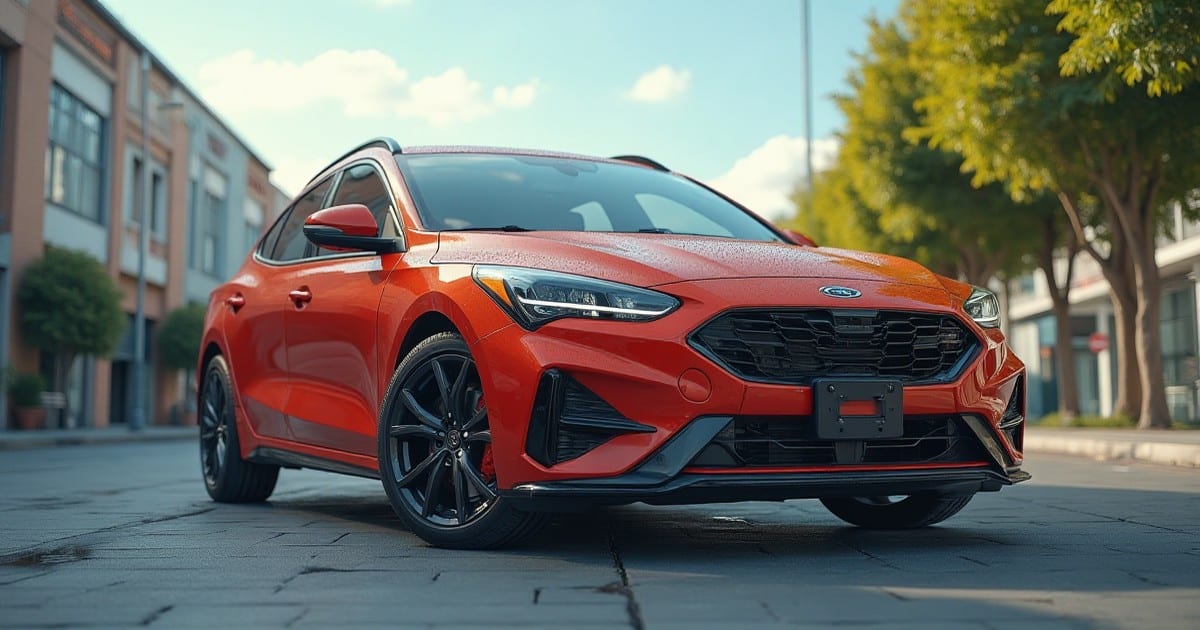
Looking for a reliable vehicle without breaking the bank?
Used cars are an increasingly popular choice for savvy shoppers seeking value and quality.
However, navigating the overwhelming options and potential pitfalls of the used car market can feel daunting.
You’re not alone if you’ve ever felt overwhelmed by questions like, “How do I know if I’m getting a good deal?” or “What should I watch out for?”
In this essential guide, you’ll uncover everything you need to know about used cars, from understanding the basics of pricing and condition to insider buying tips that will save you time and money.
Get ready to arm yourself with valuable insights and practical advice that will empower you to make confident, informed decisions.
Let’s dive into the world of used cars and transform your car-buying experience!
1. Understanding the World of Used Cars
When venturing into the market for used cars, its essential to grasp their core concepts and fundamentals.
Used cars often provide incredible value compared to new ones, with significant savings and a wider selection.
For instance, consider a 2018 sedan that retains a substantial portion of its initial value, making it a smart choice for budget-conscious buyers.
With platforms offering cars from various brands, the selection is both diverse and accessible.
Additionally, the availability of Used trucks for sale allows you to explore options that cater specifically to your lifestyle needs, be it for work or leisure.
A practical approach is to research recent models with excellent reliability ratings since they present a lower risk of repairs and maintenance costs.
In essence, understanding these fundamentals can empower you to make informed purchasing decisions and ultimately secure a fantastic deal in the used car market.
As you become familiar with used cars, you’ll find yourself ready to tackle financing options and warranties, paving the way for a wise investment.
1.1 Evaluating Used Car Condition
When considering buying a used car, one critical aspect to focus on is the vehicles condition.
Understand that the external and internal status significantly impacts not only the purchase price but also long-term maintenance costs.
Begin your evaluation by physically inspecting areas prone to rust, such as wheel wells and undercarriage.
Look for signs of accidents, like mismatched paint or uneven panel gaps.
You should also check the mechanical components; for instance, start the engine and listen for unusual noises.
Practically, you can enhance your confidence by requesting a vehicle history report.
This documentation reveals past maintenance, ownership, and any reported accidents.
For example, if youre eyeing a 2014 Honda Civic, verify its service records to ensure it has received regular oil changes and tire rotations.
Such diligence ensures you invest in a reliable vehicle and mitigates the risk of costly repairs down the line.
1.2 Maximizing Value in Used Cars
When shopping for used cars, understanding the vehicle’s depreciation curve can significantly influence your purchase decision.
Cars typically lose value most rapidly within the first few years.
This means that a vehicle thats three to five years old may offer the greatest value, striking a balance between reduced price and modern features.
This principle allows you to maximize your investment by selecting models known for their reliability, which tend to hold their value over time.
For instance, a 2018 Honda Civic may provide a combination of quality performance and favorable resale value, making it an attractive used car option.
By focusing on this depreciation timeline, you can allocate your budget more effectively, potentially saving thousands compared to buying new.
Therefore, be sure to research popular models that fit within this ideal depreciation window, ensuring you make a wise financial decision.
2. Discover the Perks of Choosing Used Cars
When considering your next vehicle purchase, used cars present an array of enticing benefits that can save you money and provide excellent value.
One major advantage is the lower price tag; a pre-owned vehicle typically costs significantly less than a new one.
For instance, a two-year-old sedan might sell for 20% less than its showroom counterpart while still offering modern features.
Additionally, used cars often come with a more stable depreciation curve, meaning they hold their value better over time.
| Aspect | New Cars | Used Cars |
|---|---|---|
| Depreciation | Higher in first 3 years | Slower depreciation |
| Insurance Costs | Generally higher | Typically lower |
| Financing | Often lower rates | More options available |
| Vehicle Condition | Usually pristine | Varied; inspect carefully |
With the right research, you can find a used car that fits your needs.
Whether youre looking for family-friendly options or even specialist vehicles like Diesel trucks for sale, the world of used cars offers diverse choices.
Understanding these benefits will help you become a more informed buyer.
Next, we’ll explore how to assess the condition of a used vehicle effectively.
2.1 Assessing Used Cars Value
When purchasing used cars, understanding their market value is crucial to ensure you’re making a sound investment.
To assess a used cars worth, start by researching its make, model, and year on platforms like Kelley Blue Book or Edmunds.
These resources provide valuable insights into average pricing, taking into account factors such as mileage, condition, and additional features.
For instance, if you find a 2018 Honda Civic listed at $18,000, but research shows its typical market value is around $16,500, youre potentially facing an overpriced deal.
To apply this knowledge effectively, negotiate the price based on your findings.
If youre serious about the purchase, you might say to the seller, Ive noticed similar models are priced lower; would you consider adjusting your offer?
This strategic approach not only backs your negotiation with data but also empowers you as a consumer in the used car market.
2.2 Insider Tips for Used Car Buyers
When shopping for used cars, understanding the vehicle history can significantly influence your decision.
One effective approach is utilizing vehicle history reports from providers like Carfax or AutoCheck.
These reports reveal crucial details, including past accidents, title issues, and ownership history.
By reviewing this information, you can identify red flags that may not be obvious during a visual inspection.
For practical application, before finalizing a purchase, always secure a report on the specific model you’re considering.
For example, if you find a used Honda Civic with an attractive price, obtaining its vehicle history report could reveal a past accident that might affect its reliability or resale value.
Armed with this knowledge, you can negotiate better and make a more informed decision, ensuring that your investment in a used car aligns with your long-term needs and budget.
Conclusion
In conclusion, understanding the fundamentals of used cars and the nuances of the buying process is crucial for making informed decisions.
Remember to evaluate your budget, prioritize reliability, and research vehicle history to ensure a satisfying purchase.
By arming yourself with these key insights, you can navigate the used cars market with confidence and peace of mind.
Now that youre equipped with essential knowledge, take the next step: visit your local dealerships or reliable online platforms to start browsing options that fit your needs and budget.
We’d love to hear your thoughts—what tips do you find most helpful or what challenges have you faced in your search for used cars?
Share your experiences in the comments below.
Ultimately, choosing the right used car is not just about transportation; it’s about investing in your future.
FAQ
1. What should I inspect when looking at used cars?
When examining used cars, check the exterior for dents, scratches, and rust, the interior for wear and smell, and test all electrical features.
Additionally, ensure to review the vehicle history report for any accidents or title issues before finalizing your decision.
2. How do I determine the fair market value of a used car?
You can determine the fair market value of used cars by using online resources like Kelley Blue Book or Edmunds, which provide price estimates based on the car’s make, model, year, and condition.
Additionally, checking local listings can give you a sense of what similar models are selling for in your area.
3. What financing options are available for buying used cars?
When purchasing used cars, you can consider options like traditional bank loans, credit unions, or dealership financing.
Its beneficial to compare interest rates and terms to find the best financing deal that suits your budget and credit profile.
4. Should I buy a certified pre-owned vehicle?
Purchasing a certified pre-owned (CPO) vehicle can be advantageous as these used cars come with a multi-point inspection and often include a limited warranty.
This provides added peace of mind, ensuring that you invest in a well-maintained vehicle backed by the manufacturer.
5. What common pitfalls should I avoid when buying used cars?
To avoid common pitfalls, ensure you dont skip the vehicle inspection and test drive before purchase.
Also, be cautious of deals that seem too good to be true, and always conduct a thorough background check to confirm the cars history and authenticity.
📌 Sources & Further Reading
[Source 3:] Consumer Reports – Features expert advice and important considerations when purchasing used vehicles.