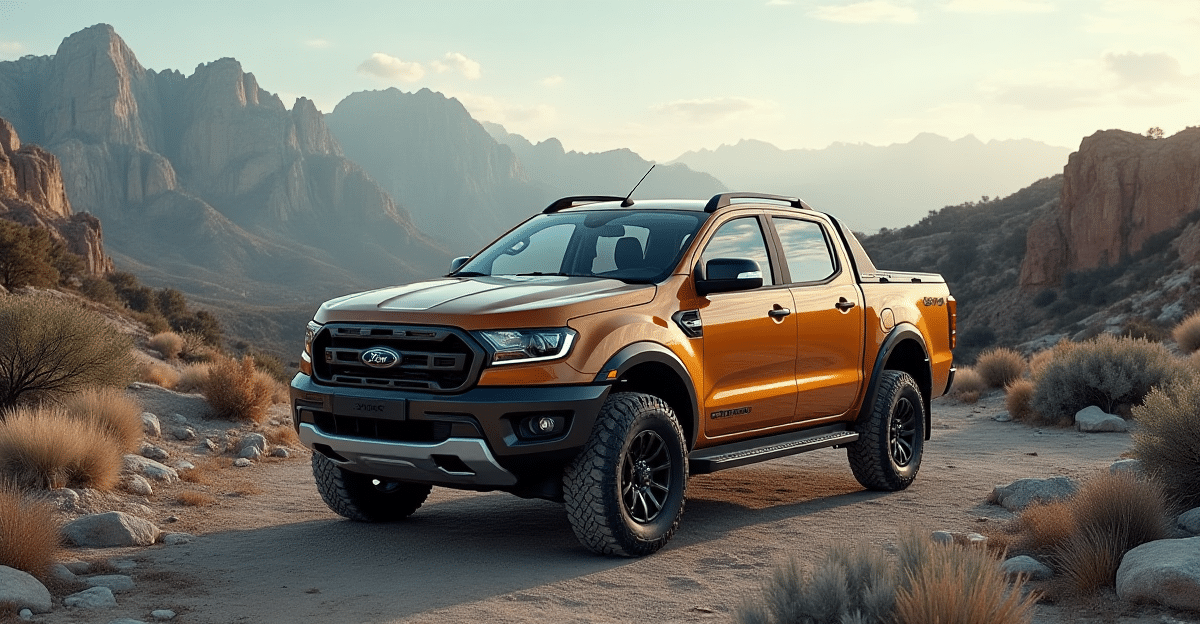
The Ford Maverick has emerged as a game-changer in the compact truck market, blending rugged capability with everyday practicality.
In this comprehensive guide, well delve into the myriad features and benefits that make the Ford Maverick a standout choice for professionals and adventurers alike.
With its innovative design, impressive fuel efficiency, and versatile configurations, this truck is perfect for both urban environments and off-road excursions.
As we explore its specifications, capabilities, and user insights for 2025, youll gain a deeper understanding of why the Ford Maverick is capturing the attention of consumers and critics.
Whether youre considering a purchase or simply looking to enhance your knowledge, this guide will equip you with valuable tips and insights to fully appreciate everything the Ford Maverick has to offer.
Key Takeaways
- Versatile Design: The 2025 Ford Maverick’s compact yet spacious layout makes it perfect for urban dwellers and outdoor enthusiasts alike.
- Fuel Efficiency: With its hybrid option, the Maverick stands out in the truck segment for delivering exceptional fuel economy without sacrificing power.
- Tech Features: Advanced technology integration, such as the Ford Co-Pilot360 suite, enhances safety and driving experience, making the Maverick suitable for modern drivers.
- Customization Options: Numerous trim levels and aftermarket accessories provide Maverick owners with endless possibilities for personalizing their vehicles.
- Affordability Factor: Positioned as a budget-friendly choice in the truck market, the Maverick delivers quality without breaking the bank, appealing to a wide range of consumers.
1. Navigating the Challenges of the Ford Mavericks’ Pioneering Position
As the automotive market continues to evolve rapidly, the introduction of the Ford Maverick presents unique challenges that need addressing.
The compact pickup segment has seen immense competition, primarily due to consumer demand for versatility and efficiency.
Shoppers today are looking for multifunctional vehicles that can handle daily tasks while remaining economical.
This poses several problems, such as balancing power with fuel efficiency, and integrating advanced technology without driving up costs, which is crucial given the price-sensitive nature of many consumers in this segment.
One of the primary challenges with the Ford Maverick is ensuring that it offers a value proposition that stands out in a crowded market.
To tackle this, the company employs innovative manufacturing techniques and collaborates closely with suppliers to optimize production costs.
Incorporating sustainable practices in vehicle design, such as using recycled materials, not only appeals to environmentally conscious buyers but can also reduce manufacturing expenses.
Additionally, Ford has invested heavily in technology, providing features that enhance driver safety and connectivity, catering to the expectations of a modern audience.
Moreover, implementing feedback mechanisms to continually gather insights from early adopters of the Ford Maverick can help identify areas for improvement and innovation.
This agile approach allows Ford to make necessary modifications, ensuring the vehicle stays relevant and competitive.
Marketing strategies that emphasize the vehicles unique capabilities, such as fuel savings and customization options for urban lifestyles, further enhance its appeal.
In conclusion, by addressing the initial challenges through strategic planning, innovative manufacturing, and responsive marketing practices, the Ford Maverick aims to establish a strong foothold in the highly competitive pickup market.
As Ford looks to the future, focusing on these methodologies could yield favorable outcomes, positioning the Maverick as a leading option for consumers who seek not only efficiency but also a multifaceted vehicle among the plethora of cars available today.
2. Challenges in Understanding the Ford Maverick
The Ford Maverick has emerged as a compelling choice in the compact truck segment, however, it faces several challenges that potential buyers must consider.
As a newly introduced vehicle, there is still some ambiguity regarding its long-term reliability, resale value, and how it stacks up against established competitors in the market.
The demand for an efficient, compact pickup with hybrid capabilities creates pressure on Ford to ensure that the Maverick delivers without sacrificing performance or comfort.
Buyers may struggle to find comprehensive information about the truck’s capabilities, particularly regarding its towing capacity, payload specifications, and fuel efficiency metrics.
Additionally, as an everyday workhorse, understanding its lifestyle adaptability, such as how it functions as an urban vehicle and its suitability for outdoor activities, can be critical for consumers looking for a versatile solution.
| Feature | Ford Maverick | Competitor A | Competitor B |
|---|---|---|---|
| Towing Capacity | 2,000 lbs | 3,500 lbs | 2,700 lbs |
| Fuel Efficiency | 42 MPG (city) | 20 MPG (city) | 23 MPG (city) |
| Payload Capacity | 1,500 lbs | 1,400 lbs | 1,600 lbs |
| Pricing | Starting at $19,995 | Starting at $24,000 | Starting at $22,000 |
As interest in hybrid vehicles grows, consumers looking at the Maverick are increasingly aware of its capabilities as an eco-friendly option in the utility vehicle market.
Addressing consumer concerns through transparent communication about performance specs will help establish trust and loyalty among prospective buyers.
Ford can further enhance the Maverick’s appeal by ensuring a diverse array of customizations and accessories that cater to different lifestyles, including outdoor and urban enthusiasts alike.
By emphasizing the Maverick’s dual role as both a practical work truck and a personal vehicle, Ford positions itself competitively within the Ford SUV lineup.
In summary, the key to successfully implementing the Ford Maverick in the market involves a combination of effective communication regarding its capabilities and leveraging the growing trend towards hybrid vehicles.
3. Addressing the Challenges and Opportunities of the Ford Maverick
As the automotive industry shifts toward more environmentally sustainable practices, the introduction of the Ford Maverick presents both challenges and opportunities that manufacturers and consumers must navigate.
One of the core challenges is the need for effective electric vehicle (EV) infrastructure to support the growing demand for hybrid models, like the Maverick, which combines internal combustion with electrification.
This presents a dilemma for potential buyers in regions with limited charging options, thus impacting adoption rates and overall satisfaction.
To tackle these challenges, Ford has made significant investments in charging station networks and partnerships with various providers.
This strategic move aims to create a reliable grid of charging stations, thereby alleviating range anxiety among consumers.
Moreover, Fords decision to market the Maverick not just as a vehicle but as a lifestyle choice emphasizes its versatility.
For instance, with a compact design suited for urban commuting, yet offering enough storage for weekend adventures, the Maverick presents an appealing option for city dwellers and outdoor enthusiasts alike.
In practical terms, the Ford Maverick integrates advanced technology to enhance user experience.
Features such as an intuitive infotainment system and FordPass app support provide real-time information about vehicle health, charging locations, and even vehicle status.
These innovations help bridge the gap between traditional combustion vehicles and the emerging hybrid segment.
Additionally, customer feedback is being incorporated into future iterations of the vehicle, ensuring that Ford evolves based on real-world use and preferences.
To successfully implement the use of the Maverick, educating consumers on the benefits of hybrid technology and collaborating with local governments to improve charging infrastructure are essential steps.
By addressing these issues and actively promoting best practices, Ford not only enhances the appeal of the Maverick but also strengthens its position in a rapidly changing market, making it a vital player in the transition to sustainable mobility.
The overall result is a vehicle that meets consumer needs while pushing the boundaries of what a hybrid can achieve, making the Ford Maverick an important vehicle for the future of the automotive landscape.
4. Addressing Supply Chain Challenges in the Ford Maverick Production
The launch of the Ford Maverick has stirred excitement among consumers and industry experts alike.
However, the automotive sector faces significant challenges, particularly concerning supply chain disruptions.
The pandemics impacts led to a shortage of essential components, such as microchips, impacting manufacturers like Ford.
These shortages lead to production slowdowns and have caused a backlog in order fulfillment, which is critical in meeting consumer demand for the Maverick.
To tackle these issues, Ford has implemented several strategies aimed at streamlining operations and optimizing its supply chain.
One critical solution has been to diversify suppliers, reducing reliance on a single source for key components such as semiconductors.
By fostering relationships with multiple vendors, Ford ensures a more resilient supply chain that can withstand unexpected disruptions.
This approach allows the company to mitigate risks associated with fluctuating availability and costs of components essential for the production of the Maverick.
Another method Ford has adopted involves the use of advanced data analytics to enhance inventory management.
By leveraging real-time data, Ford can anticipate potential shortages and adjust production schedules accordingly.
This proactive approach enables the company to prioritize the manufacturing of the Ford Maverick, ensuring a steady supply to meet market demand as production ramps up.
The outcomes of these solutions have begun to manifest positively.
As Ford refines its supply chain, reports indicate a gradual decrease in production delays, allowing for more consistent delivery timelines to dealerships and customers.
Furthermore, with improved supplier relationships and data-driven decision-making, the Ford Maverick is positioned to gain a stronger foothold in the competitive compact truck market.
Best practices observed during this process can aid other manufacturers facing similar challenges, emphasizing the importance of flexibility and innovation in todays rapidly changing automotive landscape.
As Ford continues to innovate, the Maverick stands as a testament to the brands resilience in overcoming contemporary industry obstacles.
5. Addressing the Supply Chain Challenges of the Ford Maverick
As the automotive industry continuously evolves, challenges such as supply chain disruptions have significantly impacted the production of new vehicles, including the Ford Maverick.
The transition to electric vehicles, global semiconductor shortages, and increased consumer demand have exacerbated these issues.
Manufacturers have faced difficulties in sourcing critical components needed for the Maverick, which is vital for maintaining its appeal in the mid-size truck segment.
The impact of these supply chain challenges is multifaceted, often resulting in prolonged wait times for customers, fluctuating prices, and potential dips in consumer satisfaction.
To mitigate these supply chain issues, automotive manufacturers are adopting various strategies.
Enhanced collaboration with suppliers is crucial; establishing closer relationships can facilitate real-time information sharing and quicker responses to disruptions.
For the Ford Maverick, this might mean securing contracts with multiple suppliers for key components, thus diversifying the risk of delays due to a single entitys failure.
Additionally, investing in advanced forecasting technology can significantly improve inventory management, enabling manufacturers to anticipate shortages and adapt their production schedules accordingly.
Implementing these solutions might seem daunting, yet simple steps can lead to tangible outcomes.
For instance, Ford has been exploring localized manufacturing for certain components, aiming to reduce dependence on overseas supply chains.
This not only shortens potential shipping delays but also reinforces community ties and sustainability efforts.
Furthermore, the integration of agile production techniques can provide the necessary flexibility to respond to changing consumer demands, which is essential in the fast-paced automotive market.
In conclusion, the successful navigation of supply chain challenges surrounding the Ford Maverick involves strategic supplier relationships, advanced technological investments, and localized production efforts.
These practices not only ensure a steady flow of innovative vehicles to customers but also enhance overall operational resilience.
By employing these methods, Ford can position the Maverick as a leader in its segment, even amidst a landscape of ongoing supply challenges.
6. Addressing Supply Chain Challenges for the Ford Maverick
The Ford Maverick, as a compact pickup truck, has gained significant attention for its affordability and usefulness.
However, it faces substantial challenges in the automotive supply chain.
The disruptions caused by global events, such as the pandemic and geopolitical tensions, have resulted in parts shortages, delayed deliveries, and escalated manufacturing costs.
These issues can hinder the production timelines and availability of this promising vehicle.
Furthermore, the demand for environmentally friendly vehicles adds pressure on suppliers to provide sustainable parts without compromising quality or cost.
To address these supply chain obstacles, Ford has adopted a multi-faceted approach aimed at enhancing resilience and efficiency.
One effective method involves establishing closer relationships with suppliers to create a more integrated supply chain.
By forging partnerships with local and domestic manufacturers, the Ford Maverick can minimize reliance on international suppliers, reducing the risk of delays and ensuring a more stable flow of parts.
Furthermore, implementing advanced technologies such as data analytics and blockchain can help track components in real-time, enabling quicker responses to potential disruptions.
In terms of practical applications, Ford has started to pilot collaborative platforms that connect manufacturers and suppliers more effectively.
For instance, modular production strategies allow for flexible assembly lines that can adapt to material availability, thus streamlining the manufacturing process.
This innovation not only mitigates potential bottlenecks but also fosters sustainability through more efficient resource utilization.
Looking ahead, best practices for the Ford Mavericks production will rely heavily on continuous improvement and adaptability.
Ford should prioritize ongoing communication across the supply chain and invest in technology that enhances visibility and coordination.
By adopting these strategies, the Ford Maverick can maintain its competitive edge in the market while ensuring timely availability for consumers, ultimately paving the way for long-term success in a fluctuating landscape.
7. Addressing Sustainability Challenges with the Ford Maverick
As the automotive industry grapples with increasing environmental regulations and a growing consumer demand for eco-friendly options, the Ford Maverick emerges as a pivotal player in this transition.
This compact pickup truck not only aims to meet these challenges but also reshapes how sustainability can be integrated into modern vehicles.
Consumers are becoming increasingly aware of their carbon footprints, and the demand for efficient alternatives is higher than ever.
The challenge lies in delivering a vehicle that combines practicality with reduced environmental impact.
To tackle these issues, Ford has integrated advanced hybrid technology into the Maverick, offering a solution that presents both fuel efficiency and versatility.
The standard hybrid variant provides an impressive EPA estimated 42 mpg in the city and 33 mpg on the highway, showcasing how manufacturers can innovate to create fuel-efficient vehicles without compromising on functionality.
This approach not only benefits the environment by lowering emissions but also enhances the economic viability of owning a vehicle in an era where fuel prices are unpredictable.
Moreover, the Ford Mavericks emphasis on sustainable materials represents a forward-thinking perspective within the industry.
By utilizing recycled materials in its production, Ford is addressing concerns about resource depletion and waste.
This commitment to sustainability is not just a marketing strategy; it reflects a broader shift towards eco-conscious manufacturing processes.
Ultimately, the Ford Maverick serves as a case study in how automotive manufacturers can overcome sustainability issues through innovation.
As more consumers prioritize sustainable practices, the success of the Maverick may influence industry standards and enforce best practices in vehicle design and production.
Moving forward, companies within the sector can learn from the Maverick’s integration of eco-friendly technology and materials, pushing the entire automotive landscape towards a more sustainable future.
The steps taken with the Ford Maverick illustrate how addressing consumer concerns and regulations can lead to a product that is not only profitable but also environmentally responsible.
8. Addressing Common Concerns with the Ford Maverick
The Ford Maverick has garnered attention as a versatile and compact pickup truck, appealing to consumers seeking a practical solution for urban and suburban mobility.
However, there are distinct challenges associated with its adoption, primarily related to concerns about size, capability, and technology integration.
Potential buyers often question whether the smaller frame of the Maverick can effectively meet their towing and hauling needs, especially in contrast with traditional full-size trucks.
Additionally, customers may be hesitant about integrating new technology into their driving experience, fearing a steep learning curve or potential reliability issues.
To address these challenges, Ford designed the Maverick with a focus on flexibility and adaptability, ensuring that its performance capabilities align with the needs of diverse drivers.
For instance, the Maverick features a hybrid powertrain that optimizes fuel efficiency without sacrificing power.
This innovation not only makes it an economical choice for urban driving but also provides adequate torque for light-duty tasks.
Furthermore, the truck’s compact design enhances maneuverability, making it well-suited for crowded city streets while still offering a respectable payload capacity.
Complementing these features is a user-friendly infotainment system that facilitates seamless smartphone integration, reducing the apprehension around adopting new technology.
The positive outcomes of these strategies are evident in the growing popularity of the Ford Maverick.
Consumers appreciate the combination of efficiency, accessibility, and functionality, which has established it as a valuable option in the pickup market.
By prioritizing consumer needs and addressing apprehensions proactively, Ford has set a standard for new entrants into the compact truck segment.
Best practices for potential buyers include thoroughly assessing personal needs, such as regular hauling or towing requirements, and taking advantage of test drives to gauge the vehicles fit, ensuring they fully comprehend the Mavericks capabilities.
This comprehensive understanding can transform initial hesitations into informed purchasing decisions, ultimately enhancing customer satisfaction and brand loyalty.
9. Understanding the Challenges of the Ford Maverick
The introduction of the Ford Maverick has highlighted several key challenges facing consumers and manufacturers in the compact truck market.
A primary issue is the balance between vehicle versatility and fuel efficiency.
As more consumers seek vehicles that meet both personal and environmental needs, manufacturers like Ford must innovate to create a truck that offers practicality without sacrificing performance.
Additionally, there is a growing expectation for advanced technology features, which can add to production complexity and increase costs.
Another challenge is meeting the demands of a diverse consumer base.
The Ford Maverick aims to cater to urban dwellers who may prioritize compactness and affordability, while also appealing to traditional truck enthusiasts looking for power and towing capabilities.
This dual focus can strain product design, as the engineering and feature set must satisfy these differing expectations.
Furthermore, supply chain disruptions have impacted the automotive industry, making it difficult to secure necessary parts and materials, ultimately delaying production schedules and affecting delivery times.
To address these challenges, manufacturers have employed innovative design methodologies and strategic planning.
For instance, Ford utilized extensive market research to understand consumer preferences, allowing them to create a highly customizable vehicle that enables buyers to select features that matter most to them.
This approach not only enhances consumer satisfaction but also reduces excess production of unwanted features.
Moreover, by integrating eco-friendly materials and technology within the Mavericks architecture, Ford is positioning itself as a leader in sustainable automotive practices, helping to alleviate some environmental concerns associated with traditional pickups.
The outcome of these strategies is a more focused, competitive product that meets modern expectations.
Ford’s emphasis on adaptability and sustainability in the Maverick has set a benchmark for future vehicles, solidifying its presence in a rapidly evolving market.
By continuing to engage with customer feedback and embracing modular designs, Ford can ensure that the Maverick remains a viable choice for both urban and rugged terrains.
Conclusion
In conclusion, navigating the world of the Ford Maverick in 2025 opens up exciting opportunities for both new and seasoned owners alike.
From its impressive fuel efficiency and versatile design to its advanced technology and customizable options, the Ford Maverick continues to impress as a compact truck that meets a variety of needs.
We explored essential tips for maintenance, highlighted unique accessories to enhance your ride, and shared insights into the vibrant Ford Maverick community that offers support and camaraderie.
Now that youre equipped with this comprehensive guide to the Ford Maverick, its time to put your knowledge into action.
Whether you’re considering purchasing one or aiming to optimize your ownership experience, don’t hesitate to reach out to fellow enthusiasts, dealers, and online forums for further exploration.
Share your own experiences and tips in the comments below, and let’s keep the conversation about the incredible Ford Maverick going!
Happy driving!
FAQ
1. What is the Ford Maverick and what makes it unique?
The Ford Maverick is a compact pickup truck that combines the practicality of a truck with the efficiency of a car.
Its standout feature is the option for a hybrid powertrain, offering impressive fuel economy alongside versatility and cargo space.
2. What engine options are available for the 2025 Ford Maverick?
The 2025 Ford Maverick offers multiple engine options, including a fuel-efficient hybrid system and a more powerful EcoBoost turbocharged engine, catering to different driving needs and preferences.
3. How does the Ford Maverick compare to other compact pickups?
In comparison to its competitors, the Ford Maverick stands out due to its hybrid option, affordability, and a spacious interior, making it an appealing choice for those seeking a versatile vehicle for both work and daily use.
4. What are some key features of the 2025 Ford Mavericks interior?
The 2025 Ford Maverick features a modern interior with user-friendly tech, ample storage solutions, and options for premium materials.
Its intuitive infotainment system enhances connectivity and overall driving experience.
5. What are the towing and payload capacities of the Ford Maverick?
The Ford Maverick offers impressive capabilities, with a towing capacity of up to 4,000 pounds (when properly equipped) and a payload capacity of around 1,500 pounds, making it practical for both work and recreation.
📌 Sources & Further Reading
[Source 3:] MotorTrend – In-depth articles and expert reviews on the Ford Mavericks industry impact and consumer feedback.