Horsepower is more than just a measurement; it represents the very essence of American automotive culture, where the quest for speed and performance has driven innovation for generations.
In the fast-paced world of automobile manufacturing, battles for supremacy have unfolded under the banner of horsepower, as American automakers push the boundaries of engineering to create some of the fastest machines ever conceived.
From the iconic muscle cars of the 1960s to today’s high-tech supercars, the pursuit of greater horsepower has been a catalyst for both competition and creativity.
This blog post delves into the exhilarating saga of horsepower wars, exploring how American manufacturers have not only embraced but also revolutionized the concept.
Join in to discover the thrilling tales of rivalry and ingenuity as the race for the ultimate horsepower continues to captivate enthusiasts and engineers alike.
Key Insights
- Performance Evolution: The quest for higher horsepower has driven innovations in automotive engineering, resulting in increasingly faster and powerful vehicles.
- Iconic Models: American automakers have produced legendary cars, each with its own unique place in history, showcasing the escalating race for horsepower supremacy.
- Technological Advances: Throughout the decades, advancements in technology such as fuel injection and turbocharging have played critical roles in maximizing power output.
- Competitive Spirit: The constant rivalry among brands like Ford, Chevrolet, and Dodge has fueled a culture of innovation that continuously pushes the boundaries of speed and performance.
- Cultural Impact: The obsession with horsepower has permeated American culture, influencing everything from motorsports to film, cementing its status as a symbol of power and freedom.
1. Understanding Horsepower: The Basics Explained
Horsepower is a vital metric in the automotive industry, signifying the power that an engine can produce.
It quantifies the ability of a vehicle to perform work over time, providing insight into how fast a car can accelerate and how well it can handle demanding driving conditions.
The term originated in the late 18th century, with Scottish inventor James Watt using it to compare steam engines to draft horses.
Today, understanding horsepower is crucial for enthusiasts looking to evaluate vehicle performance.
For practical applications, one can assess a vehicles horsepower by examining its specifications.
For instance, a car boasting 300 horsepower is typically faster and offers better acceleration than one with 200 horsepower.
When exploring the automotive landscape, many turn to remarkable examples of Classic American muscle cars, which often feature powerful engines designed to emphasize horsepower and performance.
By grasping these fundamentals, enthusiasts can make informed decisions when selecting vehicles that meet their speed and power needs.
2. The History of Horsepower in American Automotive Engineering
The evolution of Horsepower in American automotive engineering has shaped the industrys landscape dramatically.
Beginning in the early 20th century, the term horsepower became synonymous with power, performance, and prestige.
Early American automakers like Ford and Chevrolet focused on creating models that could deliver higher horsepower, making cars more appealing to consumers.
This competitive spirit fueled innovation, resulting in iconic engines like the Ford Flathead V8, which revolutionized speed and efficiency in the 1930s.
| Vehicle Model | Horsepower | Year |
|---|---|---|
| Ford Model T | 20 hp | 1908 |
| Chevrolet 350 V8 | 350 hp | 1967 |
| Dodge Charger R/T | 426 hp | 1969 |
| Ford Mustang GT | 450 hp | 2021 |
As the market expanded, so did the demand for speed and performance.
The introduction of muscle cars in the 1960s, like the Dodge Charger and Pontiac GTO, further propelled the horsepower wars, as enthusiasts clamored for machines capable of dominating the streets.
Today, this pursuit of power continues, with modern vehicles, including SUV luxury, incorporating advanced engineering techniques to enhance horsepower while maintaining fuel efficiency and environmental considerations.
3. Iconic American Muscle Cars: A Look at the Legends
The horse-driven legacy of American automakers is steeped in the tradition of crafting vehicles that embody raw power and performance.
Muscle cars emerged in the 1960s and 70s as a response to the burgeoning horsepower race, with manufacturers pushing the boundaries of engineering and design.
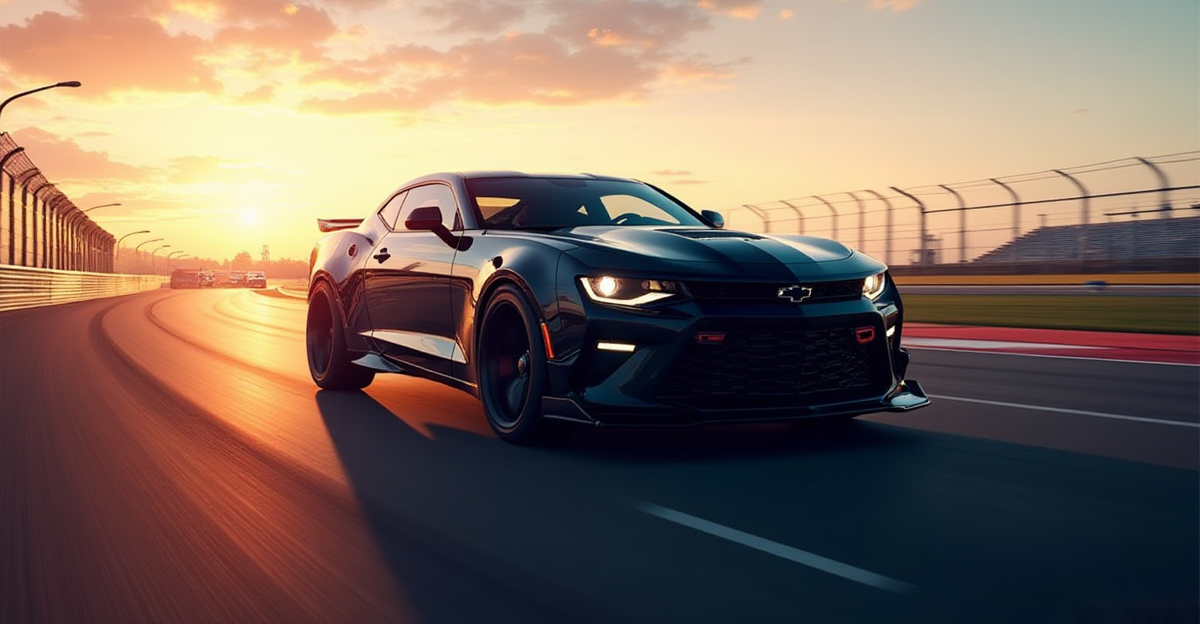
Iconic models such as the Ford Mustang, Chevrolet Camaro, and Dodge Charger not only showcased impressive horsepower figures but also captured the hearts of automotive enthusiasts.
These vehicles thrived on their ability to deliver thrilling speed and agility, making them legends in the world of automobiles.
At the heart of this excitement lies the concept of Cheval-vapeur>Cheval, a metric reflecting the power generated by these impressive machines.
Understanding horsepower helps enthusiasts appreciate the performance of their favorite vehicles.
When considering a muscle car, factors such as engine size, weight, and aerodynamics are pivotal.
Common factors influencing horsepower include:
- Engine displacement
- Forced induction
- Fuel delivery systems
- Exhaust systems
- Tuning and modification options
- Transmission types
Enthusiasts can utilize this knowledge to optimize performance and choose the perfect muscle car that resonates with their personal style and driving preferences.
4. The Role of Horsepower in Performance Metrics
Horsepower serves as a crucial metric in determining the performance capabilities of vehicles.
In automotive engineering, it is often equated with speed and acceleration.
For instance, a car boasting a higher horsepower rating can generally accelerate more rapidly than its lower-horsepower counterparts.
This is particularly evident in high-performance vehicles, such as the Ford Mustang GT, which delivers an impressive 450 horsepower, enabling it to achieve thrilling speeds on the open road.
Moreover, horsepower is not the only factor influencing performance; it works in tandem with torque, weight, and aerodynamics.
Understanding how these elements interact provides deeper insights into a vehicles overall efficiency.
For example, when selecting a car aimed at both speed and handling, potential buyers should consider both horsepower and weight to ensure an optimal driving experience.
In practice, aspiring enthusiasts can utilize horsepower figures to compare vehicles within the same class.
By focusing on this essential metric, individuals can make more informed decisions when investing in a performance car, ensuring their choice aligns with their speed aspirations.
5. Technological Innovations: How Horsepower Evolved Over the Decades
The evolution of horsepower in American automobiles has been significantly influenced by technological innovations throughout the decades.
In the early 20th century, the introduction of V8 engines marked a turning point, allowing manufacturers to increase power output while maintaining a relatively compact engine size.
This led to the creation of powerful muscle cars in the 1960s, exemplified by the Ford Mustang and Chevrolet Camaro, which combined style with enhanced performance, thanks to advanced engineering techniques.
As the automotive landscape progressed, turbocharging emerged as a revolutionary innovation.
By forcing more air into the engine, turbochargers allowed for greater fuel efficiency while substantially increasing horsepower without enlarging engine dimensions.
Modern vehicles, like the Ford EcoBoost series, showcase how turbocharging can provide high output while adhering to stricter fuel economy standards.
As technology continues to advance, electric vehicles are entering the scene with impressive horsepower figures of their own.
High-performance electric cars like the Tesla Model S have shown that horsepower is not just about traditional combustion engines but also about harnessing cutting-edge technologies to redefine speed and performance.
6. A Deep Dive into the American horsepower Wars of the 60s and 70s
The American horsepower wars of the 1960s and 70s marked a pivotal moment in automotive history, characterized by fierce competition among automakers trying to produce the fastest and most powerful vehicles.
This era saw iconic models like the Ford Mustang and Chevrolet Camaro, which became symbols of performance for a generation.
Automakers pushed the limits of technology, optimizing engine designs to maximize horsepower and racing capabilities, ultimately leading to thrilling innovations.
Interestingly, these challenges werent just about speed but also about marketing.
Brands turned horsepower into a badge of honor, drawing massive attention and sales.
Consumers gravitated towards cars boasting impressive horsepower figures, creating a cycle where performance enhancements were essential for maintaining brand supremacy.
For those looking to understand this legacy, exploring restoration projects or attending classic car shows can provide practical insights.
Learning to appreciate the engineering behind these vehicles enhances the connection to their historical significance and the raw excitement of that fierce competition.
7. Horsepower vs. Torque: What Every Car Enthusiast Should Know
Understanding the difference between horsepower and torque is essential for any car enthusiast.
While horsepower represents the power output of an engine—essentially how fast a car can go—torque measures the twisting force that gets a vehicle moving from a stop.
High torque is crucial for acceleration, especially when starting from a standstill or negotiating inclines.
For instance, vehicles designed for towing often feature higher torque ratings to manage heavy loads effectively, allowing for better performance under demanding conditions.
When it comes to real-world applications, consider the choice between a sports car and a muscle car.
A sports car like the Mazda MX-5 may have high horsepower, providing exhilarating speed on open roads, while a Ford F-150 boasts significant torque, optimizing its ability to haul trailers.
For enthusiasts looking to enhance performance, tuning can boost either metric, but understanding the balance between horsepower and torque will ultimately inform their decisions on upgrades.
Recognizing this relationship fosters a greater respect for automotive engineering and the craft behind powerful machines.
8. Choosing the Right Horsepower for Your Driving Needs: Practical Tips
Selecting the appropriate horsepower for a vehicle is crucial for maximizing performance and ensuring safe driving.
Consider the primary use of the car; for instance, a driver who regularly commutes in the city might benefit from a vehicle with moderate horsepower, providing efficiency and ease of maneuverability.
In contrast, those seeking adventure with off-road capabilities may need a higher horsepower rating to tackle rugged terrains effectively.
Understanding the vehicles weight is another factor to consider.
A heavier vehicle typically requires more horsepower to maintain speed and performance.
For example, a truck intended for towing may need a significantly higher horsepower than a compact car.
Additionally, personal preferences play a vital role—enthusiasts may opt for performance vehicles with enhanced horsepower, while others may prioritize fuel efficiency over raw power.
Finally, test-driving different models can provide valuable insights into how each vehicle performs.
This hands-on experience allows for assessing acceleration and comfort, ensuring that the chosen horsepower aligns well with driving needs.
Conclusion
In the exhilarating story of Horsepower Wars, American automakers have pushed the boundaries of engineering and performance, giving birth to some of the fastest machines on the planet.
From the iconic muscle cars of the 1960s to the cutting-edge supercars of today, the relentless quest for more horsepower has not only fueled competition but has also inspired innovation and creativity within the automotive industry.
Key advancements in technology, such as turbocharging, advanced fuel injection, and lightweight materials, have transformed what vehicles can achieve, making blistering speeds and thrilling rides more accessible than ever.
Each era’s contributions enhance our understanding and appreciation of automotive design and performance, showcasing the dedication and passion of engineers and car enthusiasts alike.
As you reflect on this journey through horsepower history, consider how these innovations can inspire your own pursuits, whether its staying informed about automotive trends, participating in motorsport events, or even embarking on your own automotive restoration project.
The spirit of competition and ingenuity that spurred the horsepower wars continues today, inviting you to explore new possibilities in the realm of speed and performance.
What vehicle has ignited your passion for speed, and how will you channel that enthusiasm into fostering a deeper connection with the world of automobiles?
Engage with the community, share your experiences, and let your horsepower journey begin.
Common Questions Answered
What exactly is horsepower and how is it calculated?
Horsepower is a unit of measurement that quantifies the power of an engine.
It is calculated by taking the engines torque, measured in pound-feet, and multiplying it by the engine speed in revolutions per minute (RPM), then dividing by 5,252.
This formula helps gauge the engines overall performance, determining how effectively it can convert fuel into usable power.
Why is horsepower important in performance cars?
Horsepower is important because it directly influences a vehicle’s speed and acceleration.
Higher horsepower generally translates to faster acceleration and better performance on the track.
However, it must be balanced with factors like weight and aerodynamics, as a powerful engine in a heavy car may not perform optimally compared to a lighter vehicle with moderate horsepower.
How do American automakers compare to international brands in horsepower?
American automakers have a legacy of producing high-horsepower vehicles, especially in the muscle and sports car segments.
Brands like Ford, Chevrolet, and Dodge prioritize raw power, often equaling or surpassing their international competitors.
This focus stems from a cultural preference for performance and speed, manifesting in iconic models like the Mustang and Camaro, which dominate discussions about horsepower worldwide.
What role does horsepower play in everyday driving?
In everyday driving, horsepower affects how a vehicle performs in various conditions, from merging onto highways to climbing hills.
Vehicles with adequate horsepower provide a smoother driving experience and improved responsiveness.
However, for most daily drivers, having extreme horsepower isnt necessary; instead, balanced performance and fuel efficiency are typically more important for urban and suburban commutes.
Can more horsepower lead to better fuel efficiency?
More horsepower does not necessarily lead to better fuel efficiency.
While powerful engines can perform well, they often consume more fuel when accelerating.
Advances in technology, such as turbocharging and hybrid systems, aim to improve efficiency while increasing horsepower.
However, in traditional setups, more horsepower typically means higher fuel consumption, making it essential to consider overall vehicle design and purpose.