Muscle cars are more than just machines; they’re a roaring embodiment of American freedom and rebellion.
With their powerful engines and iconic designs, these beasts hit the road like a bolt of lightning, capturing the spirit of a generation that craved speed and style.
While the world shifts towards electric energy and automated driving, muscle cars remain the undisputed kings of the asphalt jungle, defining what it means to truly feel alive behind the wheel.
These muscular marvels are all about that visceral thrill—the kind of exhilaration that makes the heart race and the adrenaline flow.
When the accelerator is floored and the tires screech in delight, it’s as if each ride is an anthem celebrating unbridled independence.
In a society that can feel increasingly constrained, muscle cars offer a thunderous reminder of the joy and freedom found on the open road.
Key Takeaways
- Cultural Icons: Muscle cars are emblematic of American freedom and rebellion, their roaring engines echoing a spirit of individuality that captures the country’s essence.
- Performance Prowess: With their powerful engines and thrilling acceleration, muscle cars deliver an adrenaline rush that keeps driving enthusiasts coming back for more.
- Classic Style: The signature aesthetics of muscle cars blend retro charm with muscular designs, making them a timeless symbol of coolness on the open road.
- Community Engagement: Owner clubs and online forums unite muscle car lovers, promoting camaraderie and shared enthusiasm for their beloved vehicles.
- Nostalgic Appeal: For many, muscle cars represent a nostalgic connection to American history, evoking memories of classic films and road trips filled with adventure.
1. The Origins of Muscle Cars: A Dive into Automotive History
Muscle cars epitomize the spirit of adventure and rebellion that defines American culture.
Emerging in the late 1960s, this automotive genre combined compact bodies with powerful engines, appealing to enthusiasts craving speed on the open road.
Manufacturers like Ford, Chevy, and Plymouth crafted these beasts to cater to a generation yearning for freedom, and the result was nothing short of exhilarating.
The thrill of driving a muscle car is akin to unleashing a caged beast, grasping the essence of Americana.
“Muscle cars are not just machines; they represent the open road, freedom, and the heart-pounding excitement of mastery over horsepower.”
– Terry McGean, Automotive Historian
The aesthetic appeal of these vehicles often lies in their aggressive styling and nostalgic finishes.
The Ford Mustang and Chevrolet Camaro remain iconic, inviting a new generation to partake in a lifestyle of acceleration and freedom.
Enthusiasts today can still explore the magic of these cars, considering elements like Horsepower and handling characteristics to discover which model resonates best.
Whether tearing down a straightaway or mastering tight curves, muscle cars symbolize a thrilling escape into a world where the journey matters as much as the destination.
2. The Characteristics That Define a Muscle Car
Muscle cars are the epitome of American automotive pride, characterized by powerful, high-performance engines, aggressive styling, and a spirit of pure freedom on the open road.
Typically rooted in a V8 engine configuration, these cars provide an exhilarating blend of speed and sound that sets the heart racing.
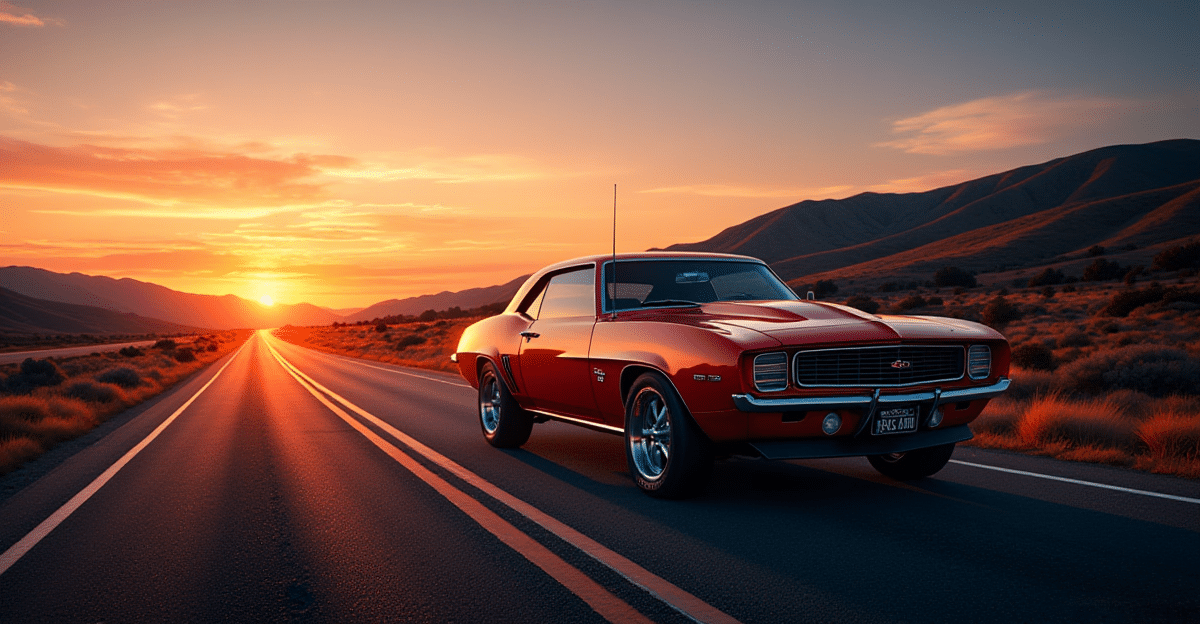
Classic examples like the Chevrolet Camaro and Ford Mustang embody the raw excitement that defines these machines, appealing to those who cherish the concept of driving as an adventure rather than mere transportation.
| Model | Engine Size | Horsepower | 0-60 mph |
|---|---|---|---|
| Chevrolet Camaro | 6.2L V8 | 455 hp | 4.0 seconds |
| Ford Mustang | 5.0L V8 | 450 hp | 4.2 seconds |
| Dodge Charger | 6.4L V8 | 485 hp | 4.2 seconds |
For those considering the thrilling clash between two titans, the Hellcat vs Mustang debate is a must-watch.
The Hellcat’s raw power and aggressive design pit it against the Mustang’s classic charm and modern technology, making it a true showdown of speed and style.
In the end, it’s the undeniable passion and performance that keep muscle cars at the forefront of car enthusiasts’ dreams, faithfully representing American freedom and the joy of hitting the open road.
3. Iconic Models That Shaped the Muscle Car Era
When thinking about the legacy of muscle cars, several iconic models undoubtedly spring to mind.
The Ford Mustang, born in the 1960s, kickstarted a revolution that has lasted decades.
Its sleek design and powerful engines appeal to enthusiasts even today.
Meanwhile, the Chevrolet Camaro became a fierce competitor, offering a blend of style and grit that demanded respect on the open road.
But it’s not just about looks; these vehicles played a significant role in shaping America’s automotive identity.
The Dodge Charger, with its unmistakable roar, stood as a symbol of rebellious freedom, while the Pontiac GTO set performance benchmarks that others aspire to reach.
For true aficionados, having a collection that includes these models brings a sense of thrill that’s hard to replicate.
Of course, it’s crucial to stay informed about emissions regulations when appreciating these beasts.
After all, even the mightiest muscle car class must adhere to modern standards.
- Ford Mustang
- Chevrolet Camaro
- Dodge Charger
- Pontiac GTO
- Chrysler 300
- Buick Gran Sport
Whether for nostalgic drives or daily adventures, muscle cars continue to define what it means to embrace freedom on the open road.
4. Cultural Significance: Muscle Cars as Symbols of Freedom
Muscle cars have long been a representation of the quintessential American spirit, embodying the essence of freedom found on open roads.
Their powerful engines and sleek designs are more than just aesthetic attractions; they symbolize the rebellious pursuit of independence.
Iconic models like the Ford Mustang and Chevrolet Camaro ignite nostalgia, evoking images of carefree drives along sun-soaked highways.
These vehicles are not just machines; they’re cultural artifacts that connect generations through a shared love for speed and adventure.
Whether cruising through coastal highways or taking part in a local car show, driving a muscle car promotes a sense of belonging in a community that appreciates freedom, pride, and power.
Embracing the muscle car lifestyle can also encourage adventurous road trips, allowing one to explore beautiful landscapes without limitations.
Curious about what truly defines a car in this powerhouse category?
Identifying key characteristics can deepen appreciation for these iconic vehicles.
Joining online forums or attending local meets can also enhance understanding and connection, transforming the experience into something meaningful and lasting.
5. The Evolution of Muscle Cars: From Classic to Modern
Muscle cars have undergone a fascinating transformation since they first roared onto the scene in the 1960s.
Originally defined by their powerful engines and sleek designs, these vehicles were America’s answer to a growing desire for speed and freedom on the open road.
The classic models like the Chevrolet Camaro and Ford Mustang not only offered heart-pounding performance but also embodied the spirit of rebellion that defined a generation.
Fast forward to today, modern muscle cars like the Dodge Challenger and Chevrolet Camaro continue to maintain that bold attitude while integrating the latest technology.
These modern legends come equipped with advanced features like high-tech infotainment systems and adaptive safety features, marrying tradition with innovation.
For car enthusiasts looking to experience the thrill of driving a muscle car, attending local car shows or taking part in track days can be exhilarating ways to connect with the community.
In essence, the evolution of muscle cars reminds us that while mechanics and style evolve, the passion for speed and freedom remains evergreen.
6. Why Muscle Cars Continue to Captivate Enthusiasts Today
The allure of muscle cars is not merely a nostalgic trip down memory lane; it’s an ongoing love affair with power, style, and the open road.
From the moment you hear the rumble of a V8 engine, there’s a distinct thrill that stirs the spirit of freedom.
Enthusiasts aren’t just drawn to their sleek designs; they appreciate the engineering prowess behind models like the Ford Mustang or Chevy Camaro, both icons of modern automotive history that leave lasting impressions on fans.
Owning a muscle car is more than just possessing a vehicle; it’s about joining a community of like-minded individuals who celebrate performance and aesthetics.
Car shows, drag strips, and meet-ups allow enthusiasts to showcase their beloved machines and exchange tips on maintenance and upgrades.
Perhaps you’re thinking of jumping in?
Consider attending a local car club event to connect with experts who can guide the process of restoration and custom modifications.
The fascination with muscle cars shines brightly because they embody not just power but freedom—a true testament to the heart of America.
7. The Influence of Muscle Cars on American Pop Culture
Muscle cars have long been at the heart of American pop culture, symbolizing more than mere transportation; they embody the essence of freedom and rebellion.
From classic films like “Bullitt,” where Steve McQueen’s fierce pursuit through the streets showcased the raw power of his Ford Mustang, to songs celebrating the roar of a revved-up engine, these vehicles have carved their niche in our cultural landscape.
This infusion of muscle cars into media captures the imagination and fuels the desire for the open road.
For enthusiasts looking to tap into this vibrant aspect of American culture, consider attending local car shows or organizing a weekend outing with fellow muscle car aficionados.
These gatherings not only celebrate the legacy of such iconic machines but also create a community rooted in shared passion and experience.
By immersing oneself in this world, it’s possible to revive the nostalgia and excitement that muscle cars elicit, keeping the spirit of American freedom alive and thriving.
8. Tips for First-Time Muscle Car Buyers: What to Look For
Venturing into the world of muscle cars?
Buckle up; it’s a ride filled with excitement!
First time behind the wheel?
Prioritize authenticity and condition.
Check out classic models like the Ford Mustang or Chevy Camaro—trust me, these icons scream ‘American road trip.’ Embrace rust like it’s part of the charm, but not too much!
A little patina can give character, but excessive damage means big repair bills.
Next, get under the hood.
Familiarize yourself with engine types, such as V8s, as they deliver that exhilarating roar.
Does the engine purr or wheeze?
A well-maintained engine can mean less hassle down the line.
And don’t forget to kick the tires; even the best muscle cars need a solid grip on the road!
Finally, consider joining a community.
Whether online forums or local car shows, fellow enthusiasts can offer insights.
Seek advice from those who’ve danced this dance before; their experiences can save first-time muscle car buyers from common pitfalls.
Enjoy the journey; freedom awaits!
9. Maintaining and Restoring a Muscle Car: A Guide for Enthusiasts
Owning a piece of American history like muscle cars is a thrilling journey that also demands a sprinkle of dedication and a dash of expertise.
Whether it’s a classic Mustang or a roaring Camaro, enthusiasts know that upkeep is key.
Start with regular oil changes and check the brakes, because nothing complements speed like safety.
When it comes to restoration, a meticulous approach is essential.
For instance, replacing weathered upholstery with authentic materials can revitalize the interior ambiance.
Dive into online communities or forums for valuable insights shared by seasoned owners who’ve transformed their beloved rides.
Moreover, don’t shy away from seeking professional help for engine rebuilds or paint jobs—sometimes, it’s best to rely on those who have mastered the art of muscle car restoration.
By treating the restoration like a project of passion rather than merely maintenance, you not only preserve your car’s history but also keep the spirit of freedom alive on every open road.
Get ready to turn heads and feel that nostalgia every time you hit the gas!
Conclusion
In the grand tapestry of Americana, muscle cars weave a thread of raw power, freedom, and nostalgia that still resonates with the open-road dreamer in all of us.
From the thunderous roar of a V8 engine to the sleek curves of a classic body, these beasts are more than just machines; they encapsulate a spirit of rebellion, individuality, and an insatiable thirst for adventure.
By embracing the muscle car culture, enthusiasts aren’t just revving engines; they’re reclaiming a slice of life that celebrates the journey, the freedom to roam, and the joy of living on one’s own terms.
Whether it’s tuning your very own muscle car, joining a local car club, or simply taking a scenic drive down a forgotten highway, there are countless ways to immerse oneself in this vibrant community.
So, what are you waiting for?
Dust off your driving gloves, let the call of the open road stir your soul, and dive headfirst into the thrilling journey that muscle cars promise.
After all, life’s too short to blend in.
Will you seize the keys to your freedom and join the ranks of those who dared to dream with every rev and tear?
Start your engine and let adventure unfold!
Frequently Asked Questions
What defines a muscle car?
A muscle car is typically defined by its powerful engine, aggressive styling, and affordable price.
Typically, these vehicles have a strong V8 engine, which makes them capable of impressive speed and performance.
Originally, the term referred to American-made cars from the 1960s and 70s, but it has evolved.
Today, muscle cars are celebrated for their ability to blend power with a sense of freedom on the road.
Why are muscle cars considered symbols of freedom?
Muscle cars embody the spirit of independence, representing the open road and the thrill of driving.
Their raw power offers drivers a sense of control and adventure, making them an ideal way to explore the expansive landscape of America.
With their distinct roar and inviting design, muscle cars evoke memories of carefree days and inspire a sense of liberation from everyday life.
Do muscle cars have a future in the automotive industry?
While the automotive industry shifts towards electrification, muscle cars are likely to adapt rather than disappear.
Manufacturers are already exploring hybrid technologies that can complement the traditional performance aspects.
As enthusiasts continue to cherish their classic designs, the essence of muscle cars will remain alive, blending nostalgia with modern enhancements to ensure they drive into a future of excitement.
How do muscle cars compare to modern sports cars?
Muscle cars typically emphasize raw power and torque, often relying on larger engines, while modern sports cars focus on agility, weight distribution, and advanced technology.
This means muscle cars deliver a visceral experience that appeals to driving purists, while sports cars provide cutting-edge performance.
Both categories celebrate speed, yet differ in approach, offering fans options based on their personal preferences for driving dynamics.
What makes classic muscle cars so valuable today?
Classic muscle cars hold significant value due to their historical importance and limited production numbers.
They often evoke a sense of nostalgia for enthusiasts who appreciate the craftsmanship of the past.
Additionally, their unique designs and performance capabilities create a lasting appeal among collectors.
As time goes on, the rarity and iconic status of these vehicles will likely continue to drive their worth higher in the market.
Learn more about emissions.